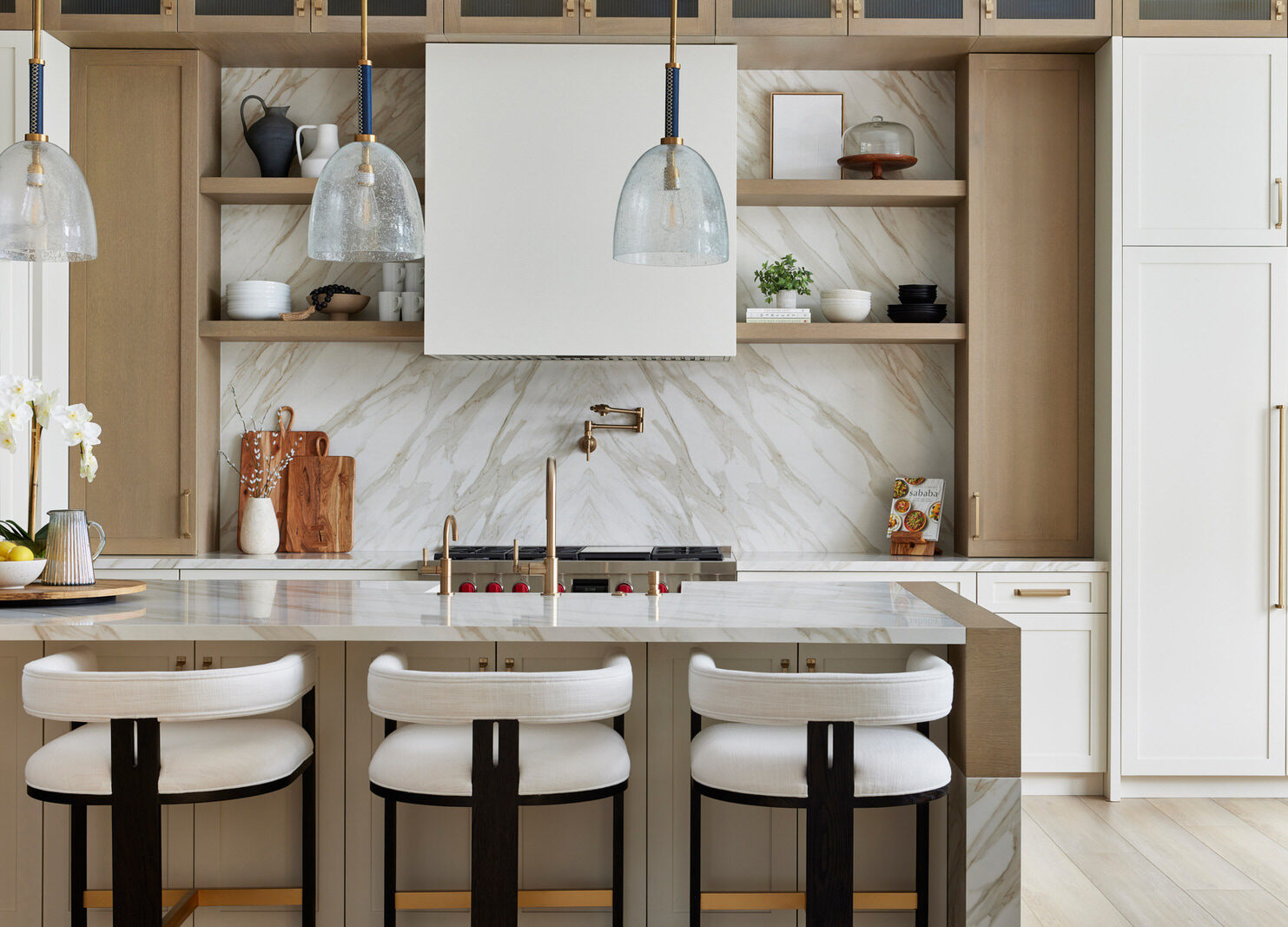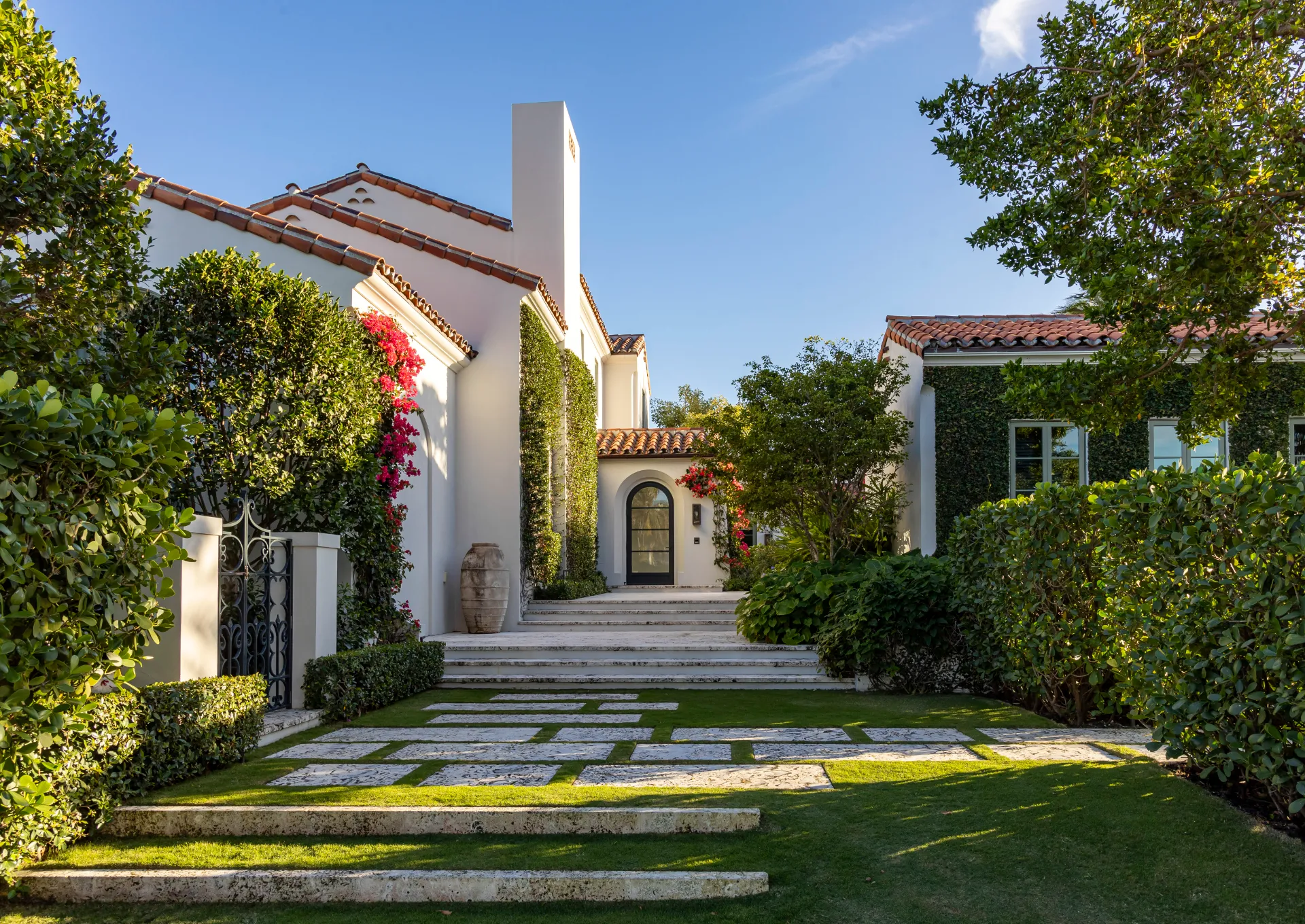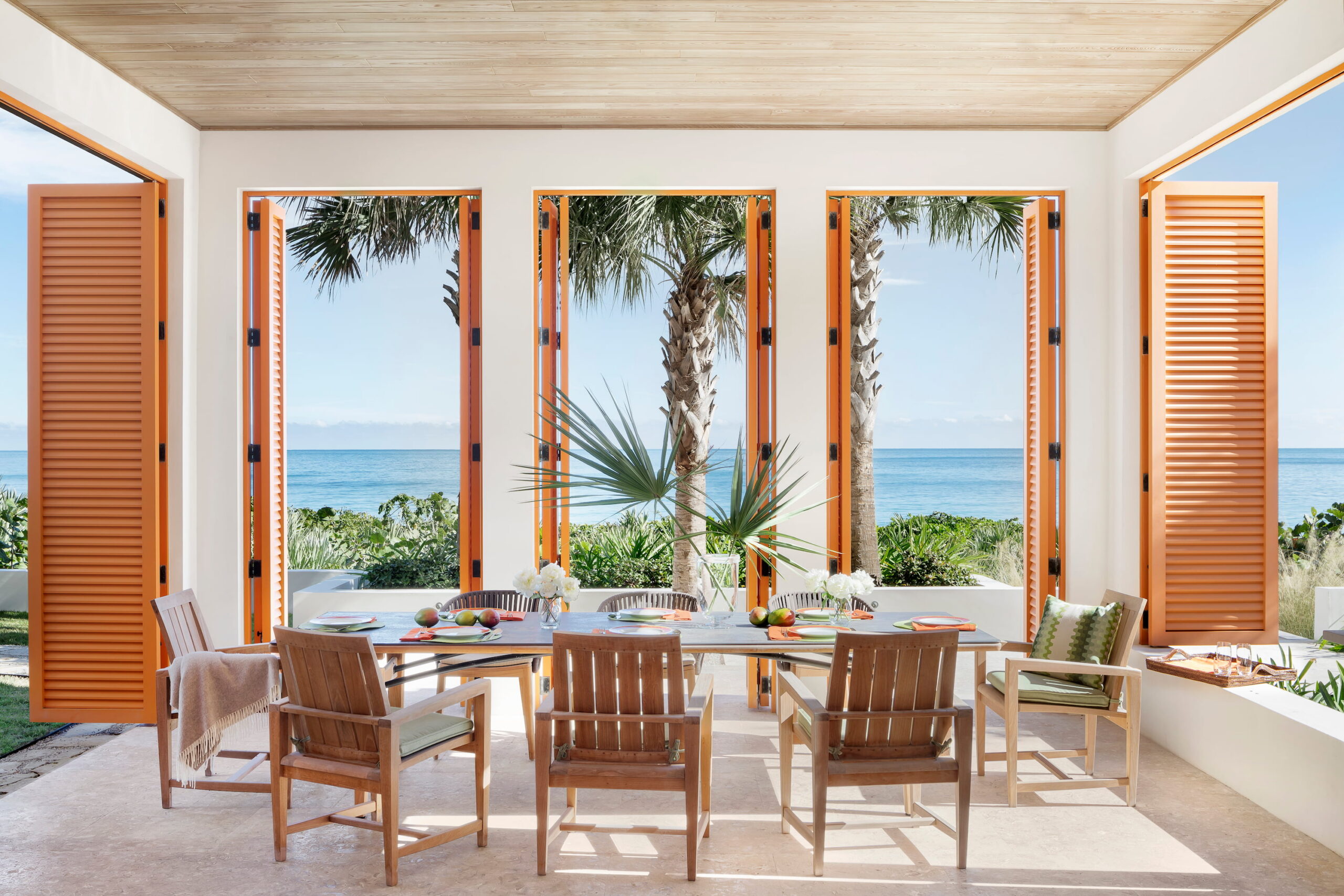
The experience is immediate. Walking into a home designed by Moor Baker Architects, there is a noticeable shift. The pace slows, the body settles, and the space feels instinctively understood.
Across the homes brought together in House Love, that feeling is consistent. Each project carries a quiet sense of clarity, where nothing competes for attention and the architecture reveals itself gradually through light, proportion, and material.
Captured through the lens of photographer Jessica Klewicki Glynn, the book presents more than a collection of residences. It reflects a sustained way of thinking about how a home should function, feel, and evolve over time.
“Stepping into a home designed by Peter Moor and Chris Baker makes you breathe a sigh of relief,” Glynn says. “It makes your shoulders drop and feel like the weight of the world has lifted.”
She describes spaces where light moves easily, where natural elements are ever-present, and where the design carries a quiet confidence without relying on overt gestures.
“There is a simplicity and confidence in the design that doesn’t rely on flashy or grand statements,” she explains. “There’s nothing fighting for attention, which allows the architecture to quietly reveal itself.”
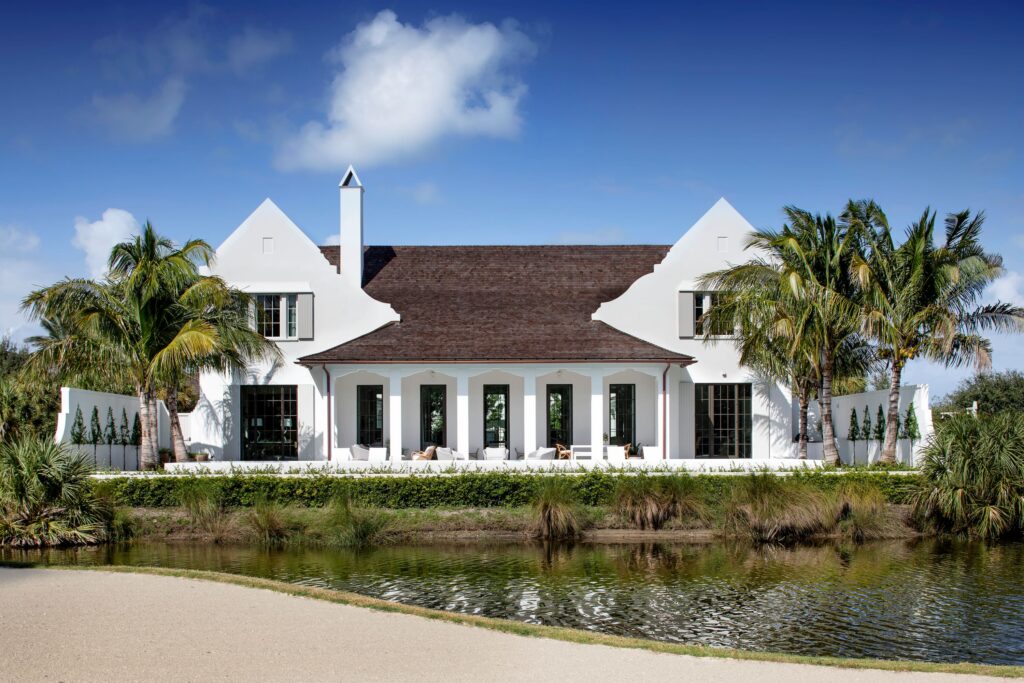
That clarity defines the work. Nothing competes. Nothing insists. Each space unfolds naturally, guided by proportion, material, and the relationship between interior and exterior. Behind that ease is a level of precision that is never overt, yet always present, where even the smallest decisions are made with an understanding of how the home will be lived in over time.
Across more than three decades, Moor Baker Architects has developed a reputation for homes that feel enduring rather than fixed to a moment. The work is shaped not only by aesthetic sensibility, but by climate, context, and the specific lives of the people who inhabit each space. The result is architecture that feels grounded, attentive, and quietly resolved.
Light, Movement, and Observation
Glynn’s photography mirrors that same clarity. Rather than directing attention, her work documents how the architecture performs in real conditions, with an emphasis on presence rather than perfection.
Before photographing, she moves through each home slowly, studying how spaces connect and how light shifts over the course of the day.
“I walk through every home from front to back and think about the flow of space, how the rooms are lived in, and how light moves through them,” she says.
The process is less about staging and more about noticing. A chair slightly pulled back. A door left ajar. Light falling across a surface in a way that feels unforced.
“I’m always looking for moments that feel comfortable and not forced,” she explains. “I’m looking for the small details that are real.”
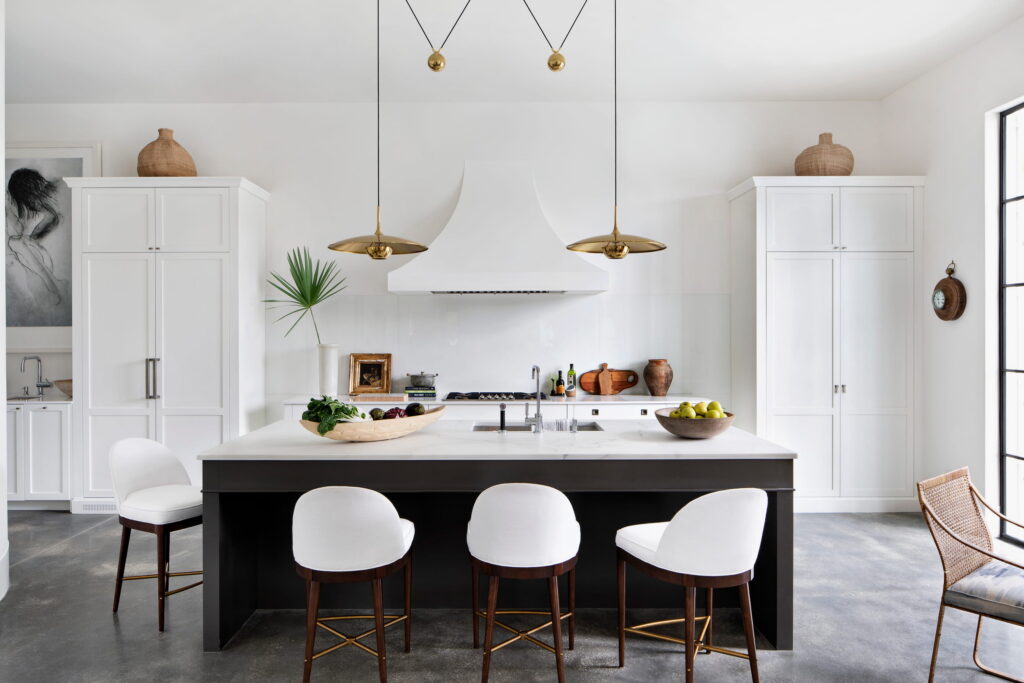
There is a subtle refusal to overcorrect. Reflections remain. Light behaves naturally. The images retain the slight irregularities that signal a space exists beyond the frame.
“I’ve started to leave more reflections and glare so that you know the space is real and not a rendering.”
Her background in photojournalism informs that instinct. The goal is not to construct an image, but to observe and translate what is already there.
“Light is everything,” she says. “But I’m less interested in perfect light and more interested in truthful light, the type of light that reveals how a house feels throughout the day.”
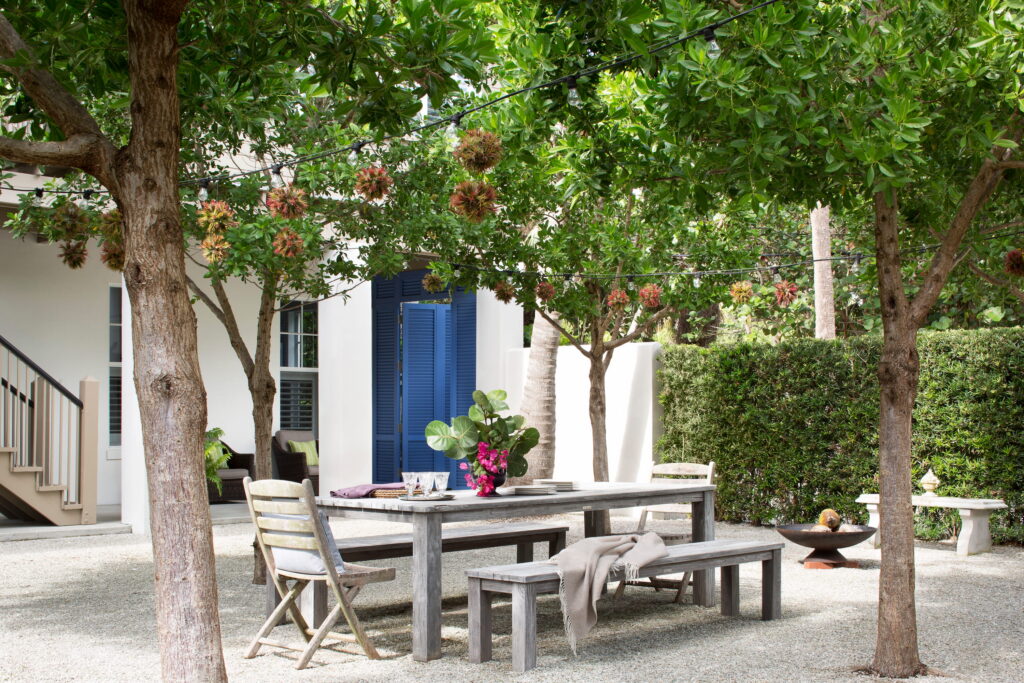
In Florida, where climate plays a defining role, that sensitivity becomes essential. Moor Baker’s work is shaped by air, light, and movement, with an emphasis on openness and a seamless relationship between indoors and out. Light is not decorative. It is foundational to how each space is experienced.
A Collaboration Built Over Time
The decision to bring this work into book form developed gradually. Over more than a decade, Glynn’s ongoing collaboration with Moor Baker began to form a body of work that felt cohesive beyond individual projects.
“Working with Peter and Chris for over ten years formed a body of work that felt like chapters of a larger story,” she says.
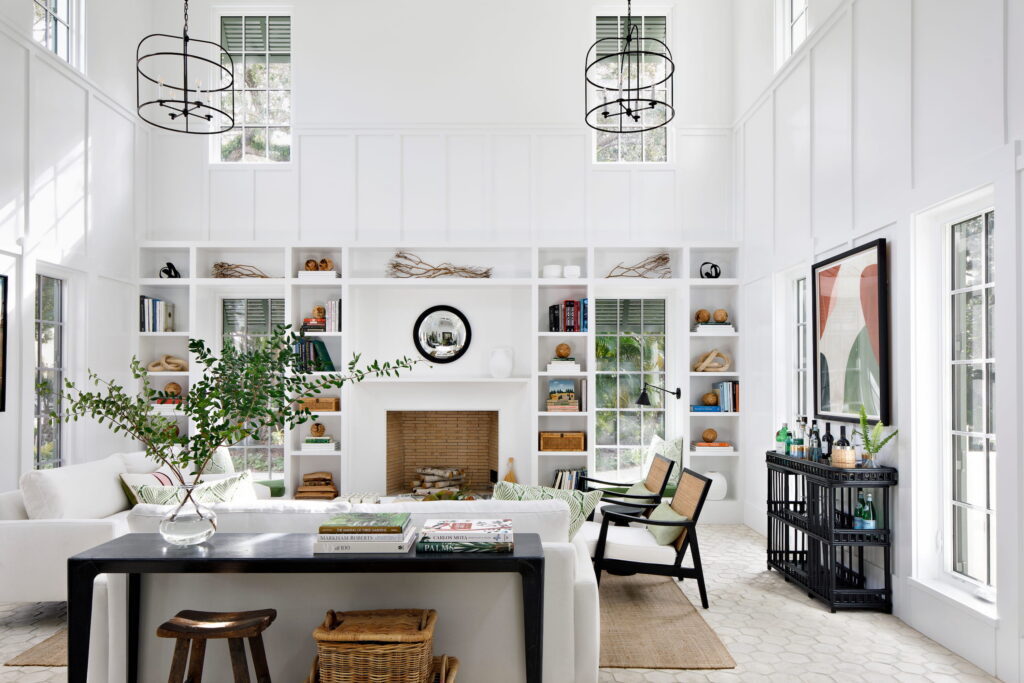
As the firm’s first monograph, House Love reflects a sustained approach to residential design developed over decades. Each home contributes to a broader understanding of how architecture can evolve alongside the people who inhabit it.
The relationship itself unfolded in much the same way. What began as a single project in Vero Beach grew into an ongoing collaboration built on trust and alignment.
“They liked my work and kept hiring me to shoot their new projects,” Glynn recalls. “The relationship grew quietly and organically out of mutual respect for each other’s work.” That trust allowed for a level of creative freedom that is often difficult to achieve.
“They trusted me to interpret their work without a lot of direction,” she says. “I was capturing spaces in the same way they had envisioned them.”
Over time, the collaboration expanded to include Mary Juckiewicz, a founding architect of the firm who now leads styling for the shoots. Alongside contributors across interiors and landscape, the work reflects a shared commitment to cohesion rather than individual authorship.
“I love the way Mary describes working together on photo shoots. She says it feels like a dance – that we are each moving around in the space to create the best final image,” Glynn says.
Material, Time, and Continuity
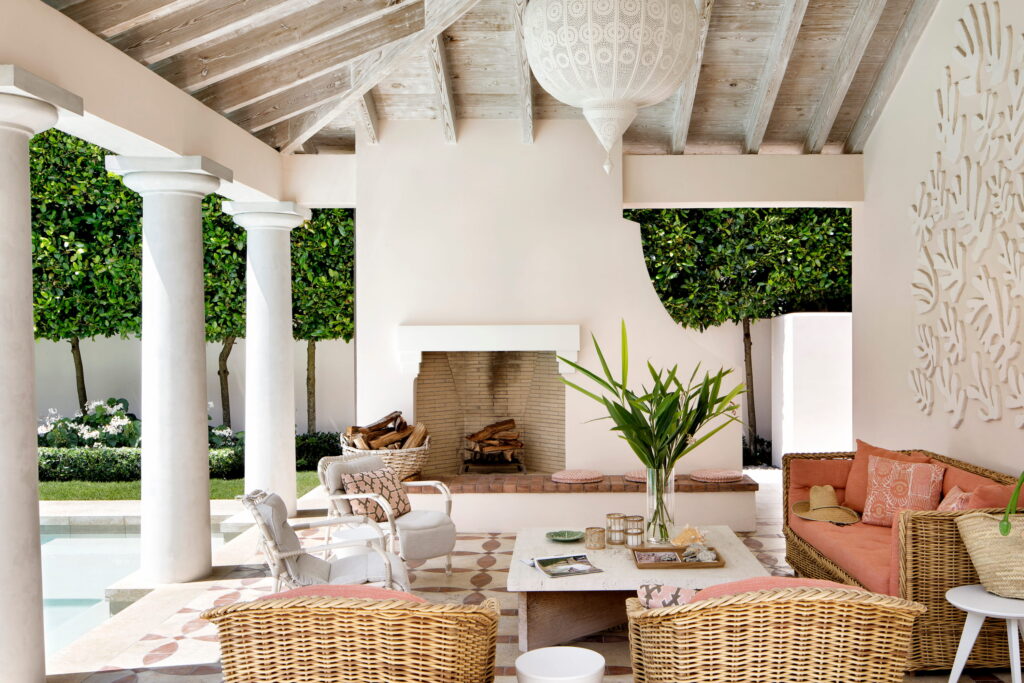
Across the homes featured in the book, a consistent material language emerges. Elements drawn from the landscape, softened palettes, and textures that echo the surrounding environment create a sense of continuity across projects.
“The materials selected for a project are important,” Glynn explains. “Natural stones, earthy tones and subtle patterns and textures that mirror nature tend to be timeless.”
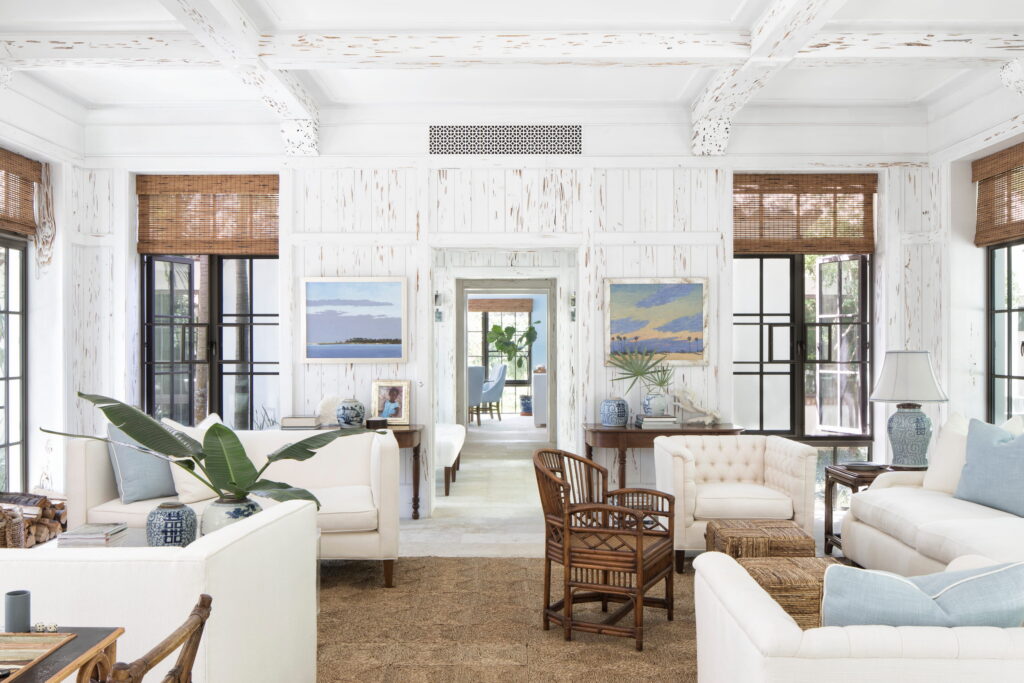
This attention extends to the smallest elements. Hardware, finishes, and transitions are approached with the same level of care as the larger architectural gestures. It is a way of working where nothing is incidental, and where materials are chosen not only for how they look, but for how they will age and evolve.
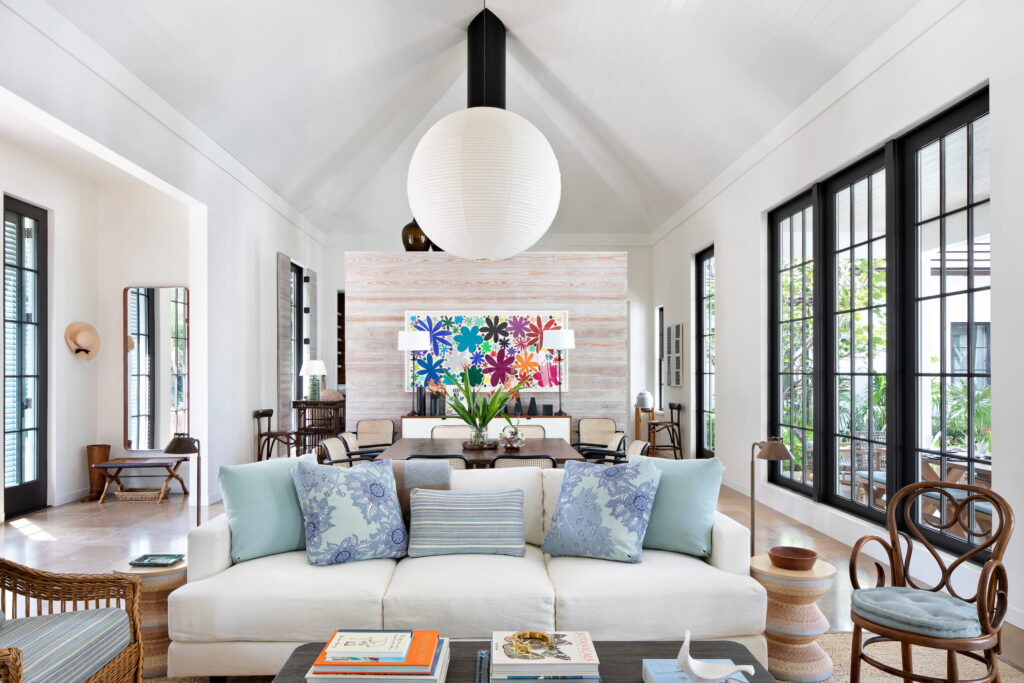
There are moments of contrast. Shifts in scale, unexpected architectural gestures, or carefully introduced color add dimension without overwhelming the overall composition.
“Pops of color, unexpected architecture, scale of objects, these are all things that are important and make a statement,” she says.
That same clarity defined the process behind the book itself. With contributions spanning architecture, photography, styling, writing, and drawing, the project required a shared level of trust among everyone involved.
“There was a shared respect for the work and each other’s roles,” Glynn says. “We were all confident in each other and excited about the final book.” The openness allows the work to be refined collectively.
“We were all open to criticism and knew the final results would be better if we took everyone’s viewpoint into consideration.”
Now, as House Love reaches readers, the intention remains consistent with the work it represents.
“I hope it encourages people to think differently about their homes,” Glynn says. “Not as a space that needs to be quickly filled with items but as a place that represents their loves, wishes and how they want to live.”
What stays with you is not a single image or project, but a perspective. One that values clarity, patience, and a deeper connection to how a space evolves over time.
“Ultimately, House Love is about noting how deeply architecture can shape the way we live and feel.”
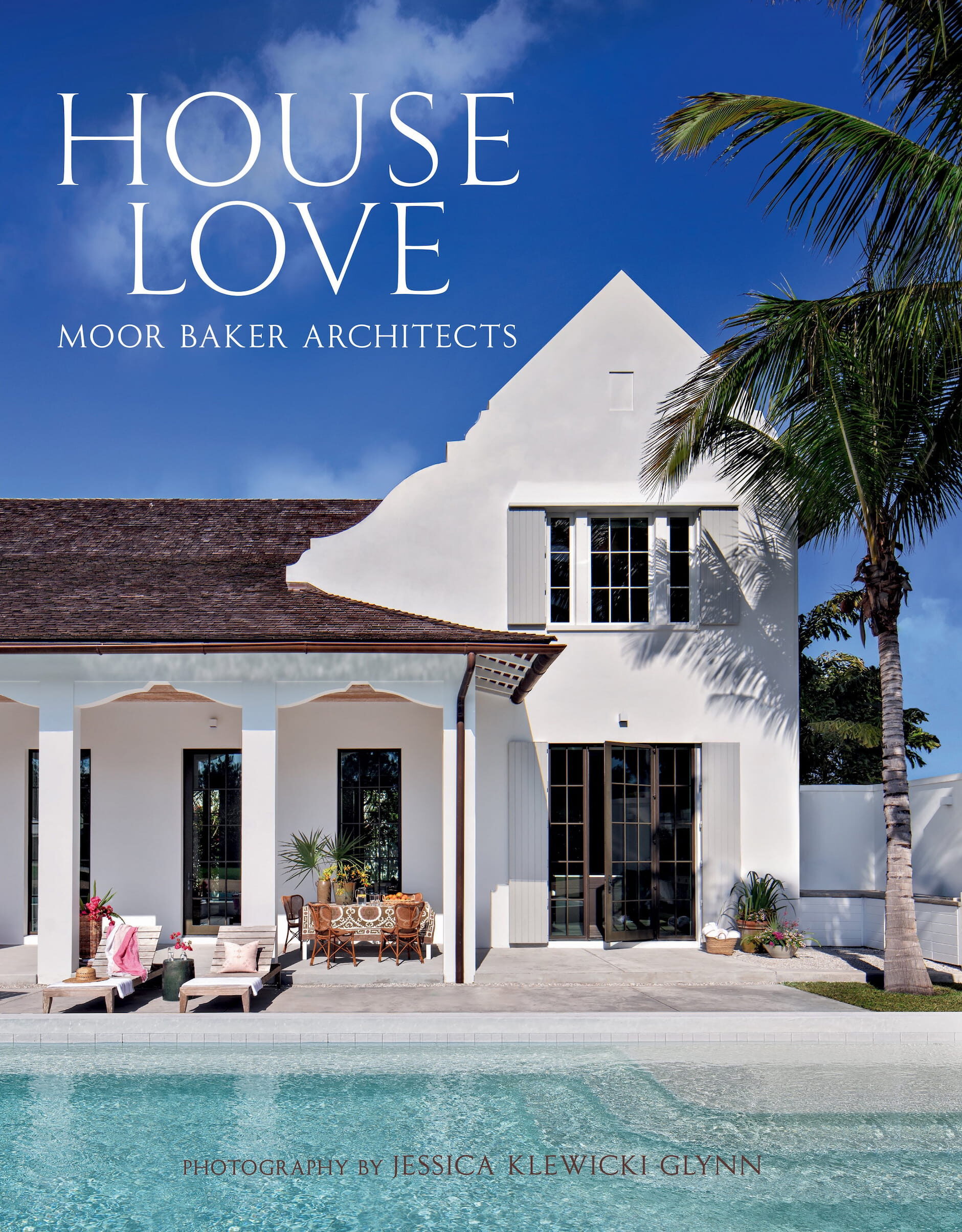
For those interested in exploring the book further or adding a copy to their collection, House Love is available through Vendome Press and Amazon.