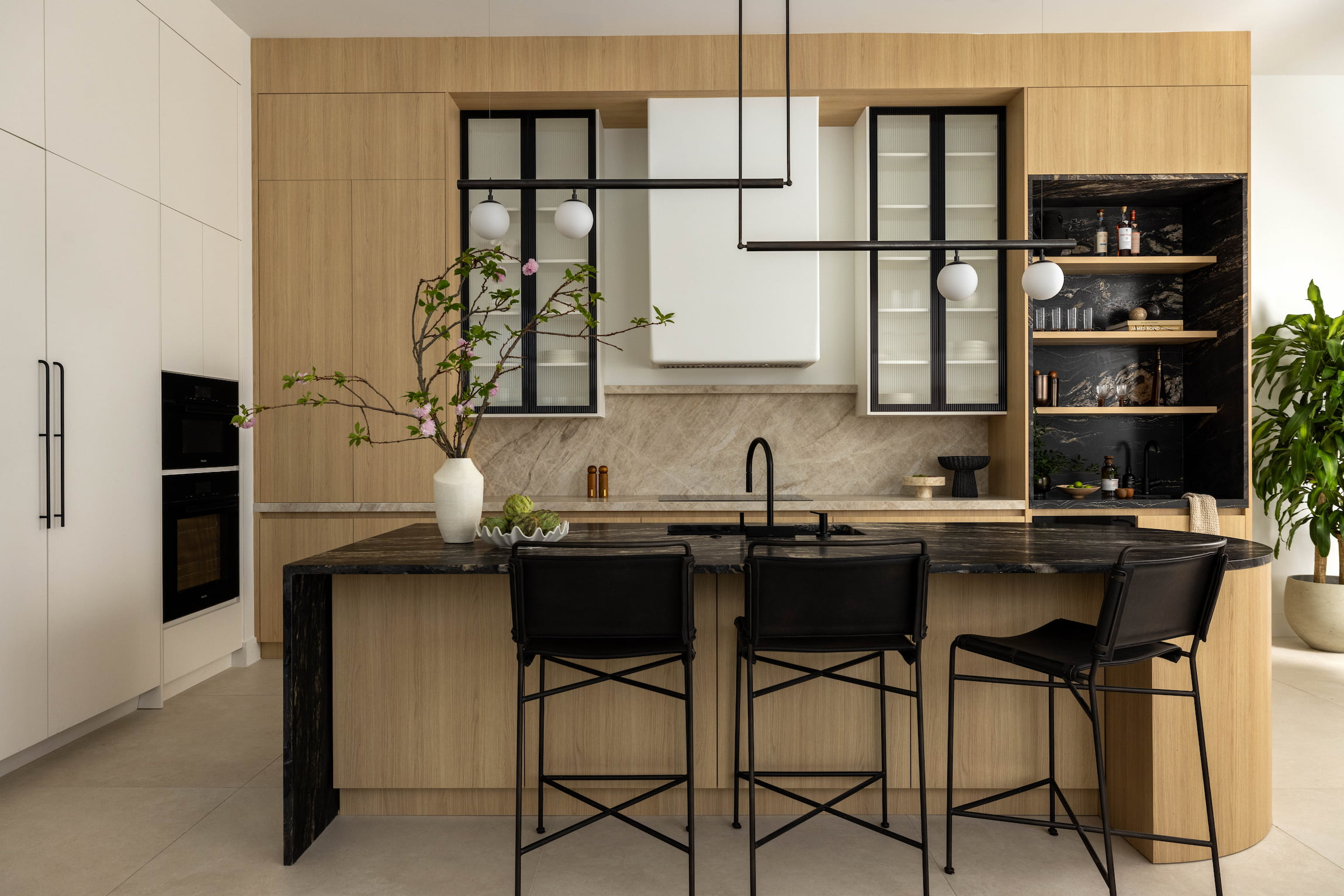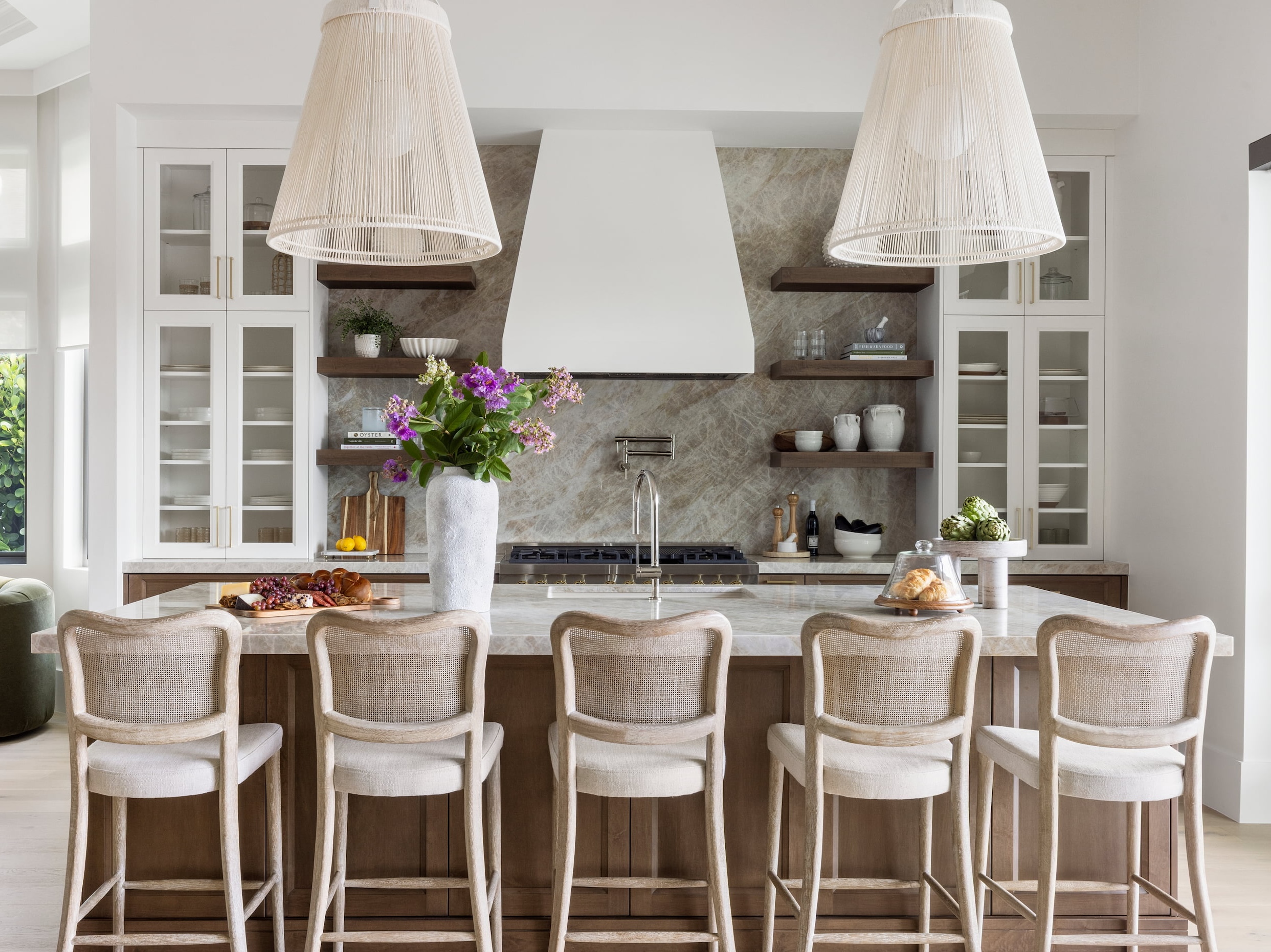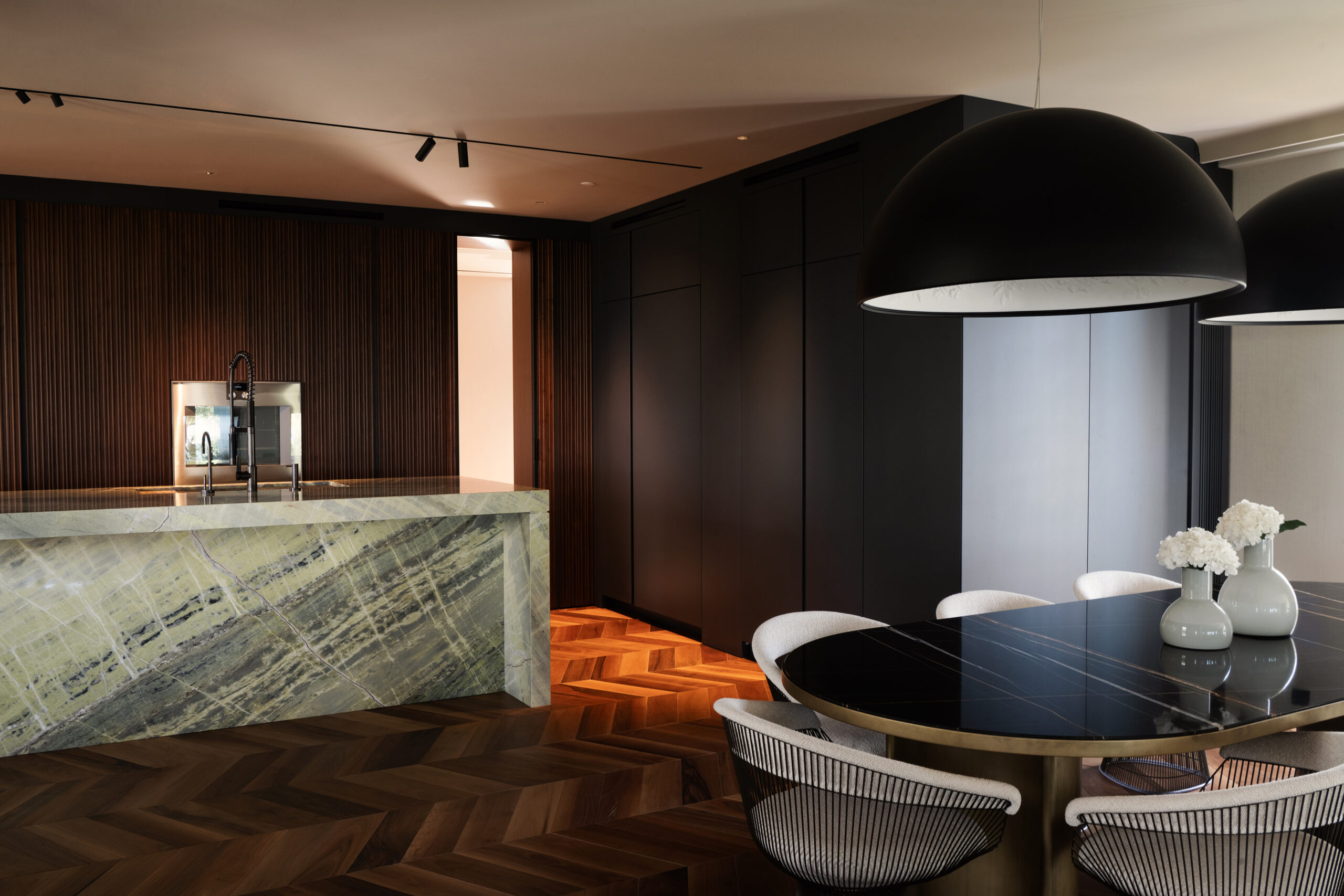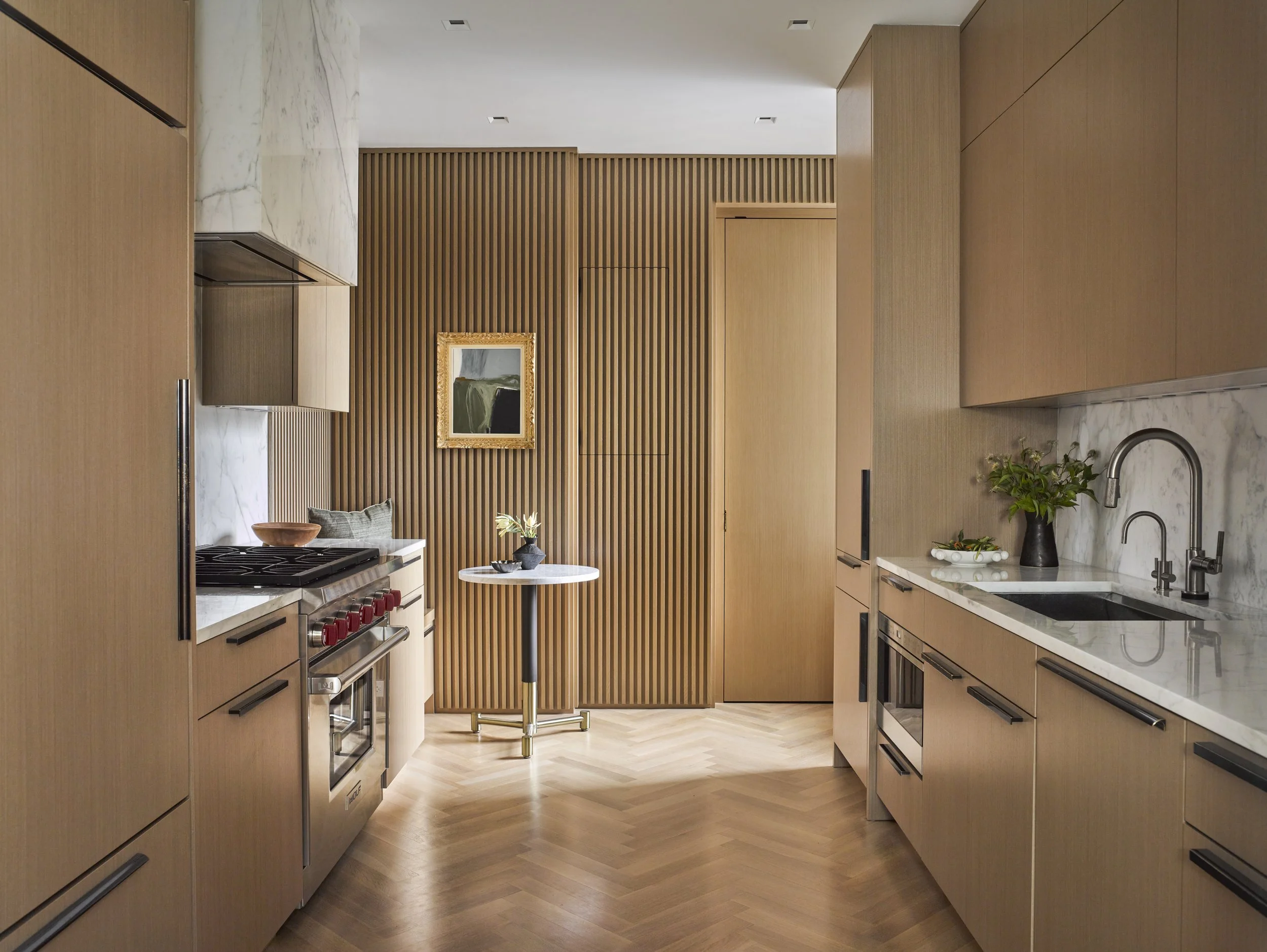
Rajni Alex opens a project with questions. How a client spends their weekends. How they entertain. What works in the house they live in now and what does not. Every project begins in that conversation, before anyone has looked at a furnishing or a finish.
“Those early conversations often reveal far more than a mood board ever could,” she says.
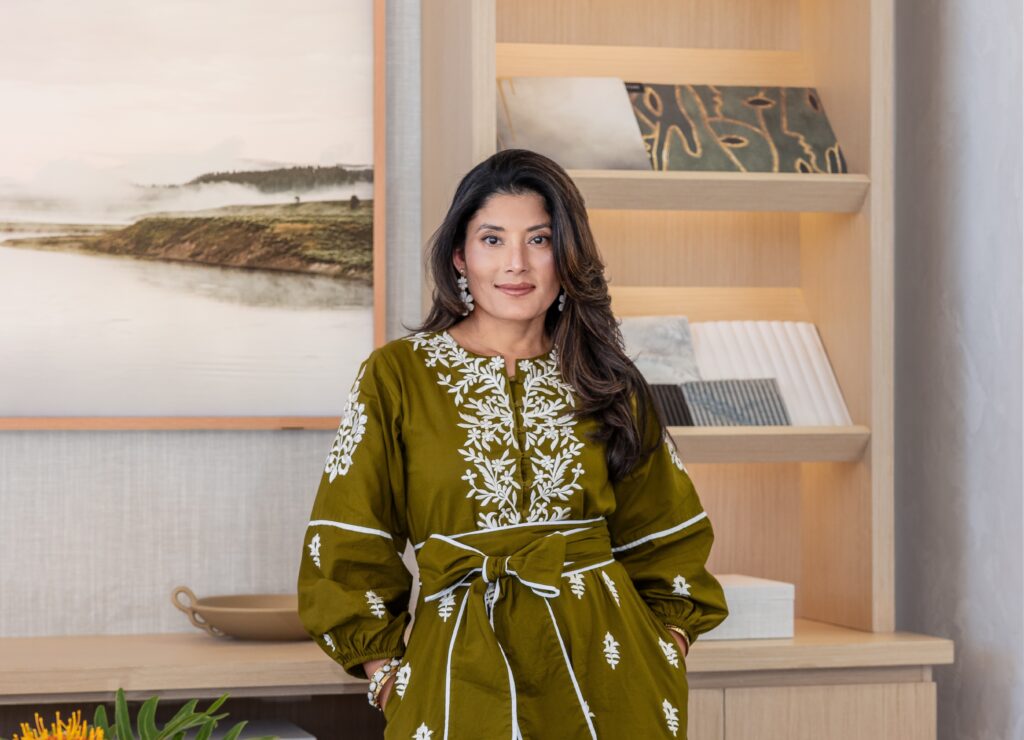
Alex has been working in interior design for more than two decades. She founded Rajni Alex Design and runs the studio today from Boca Raton and New York. Her work has been published in House Beautiful, Traditional Home, Luxe, and Elle Décor, and she has taken part in the 2024 House Beautiful Whole Home and the 2025 Kips Bay Decorator Show House in Palm Beach. Her aesthetic draws on a wide range of cultural references, Chinoiserie and French influence, sculptural form, intricate pattern, and a palette that does not shy away from color, but none of it is where a project starts.
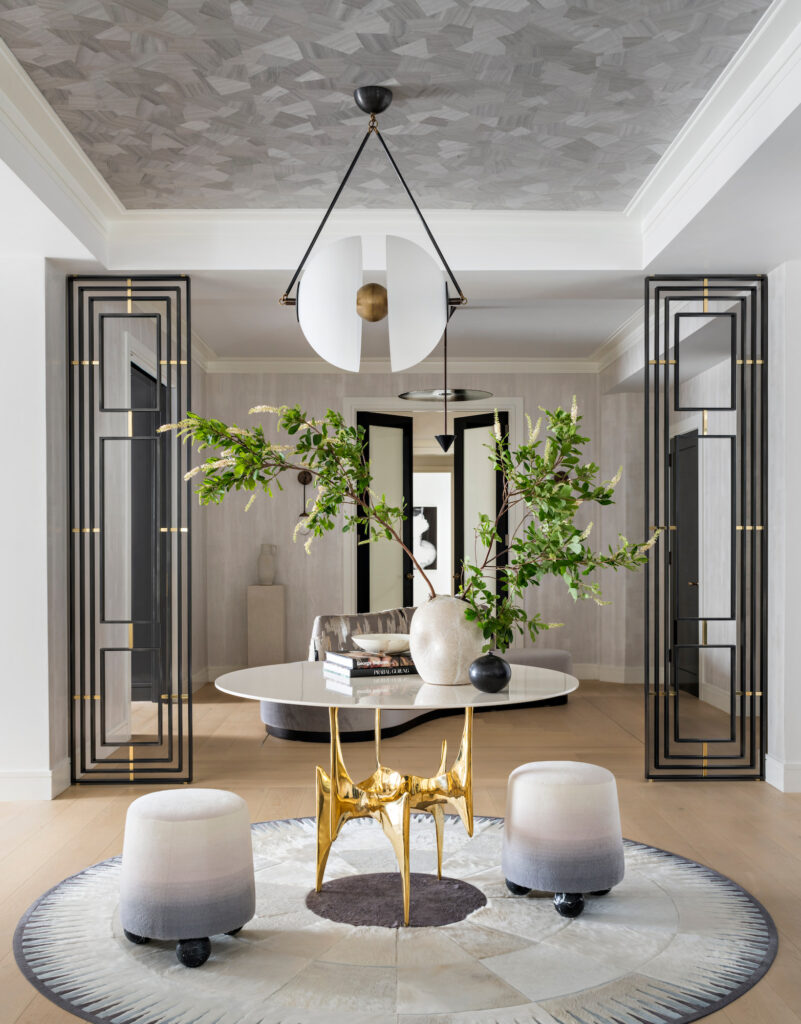
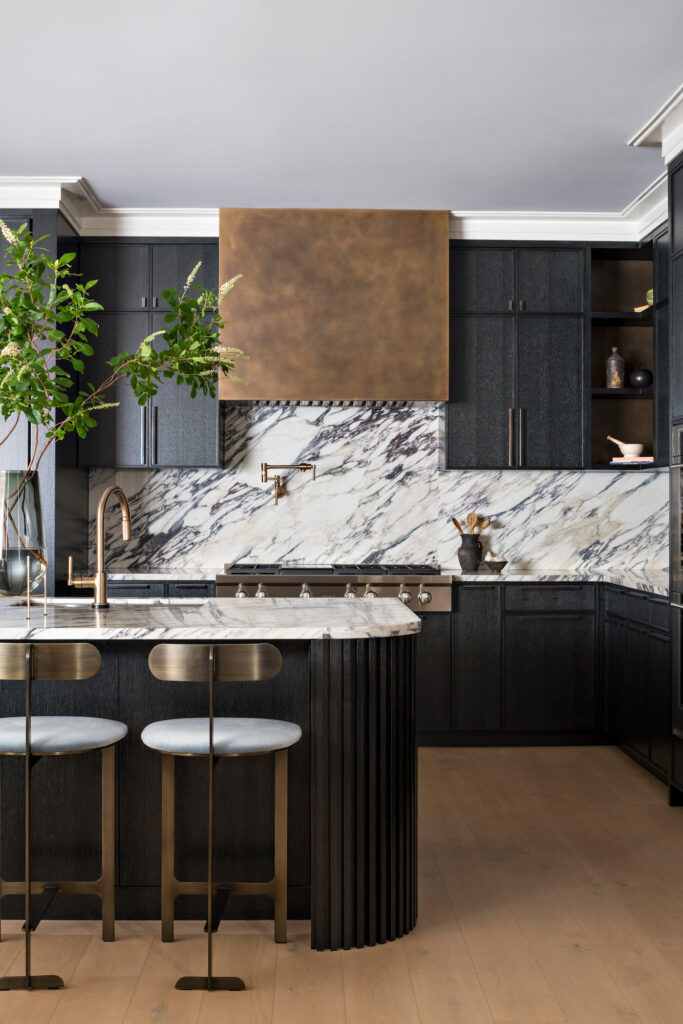
The Client Is Always the Starting Point
Alex has never been interested in creating the same home over and over again. Every project is different because every client is different. At Rajni Alex Design the belief is stated plainly. A home should tell the story of the people who live there.
“I often say that my role is to guide, not dictate,” she says.
She spends a great deal of time learning what resonates with a client. The places they love. The objects they cherish. The colors they gravitate toward, and the things they already know they do not want. What the team listens for is not only how a client wants a home to look but how they want it to feel and function day to day. She calls interpreting rather than imposing one of the most important skills a designer can develop. The best projects, she says, are not about a designer’s signature look.
Respect for the architecture runs alongside the listening. Each home has its own language and each client arrives with their own story, and bringing the two together is the work, whether the project is a classic Palm Beach residence, a waterfront estate, or a city apartment. Only then does a design direction take shape, and materials, fabrics, finishes, furnishings, and architectural details begin to gather into a coherent concept.
Every phase matters, she says, but ask which is most critical and she goes straight to the conceptual stage. A strong concept becomes the foundation for every decision that comes after it, establishing the emotional tone of the home and a design language clear enough to keep the elements working as a whole.
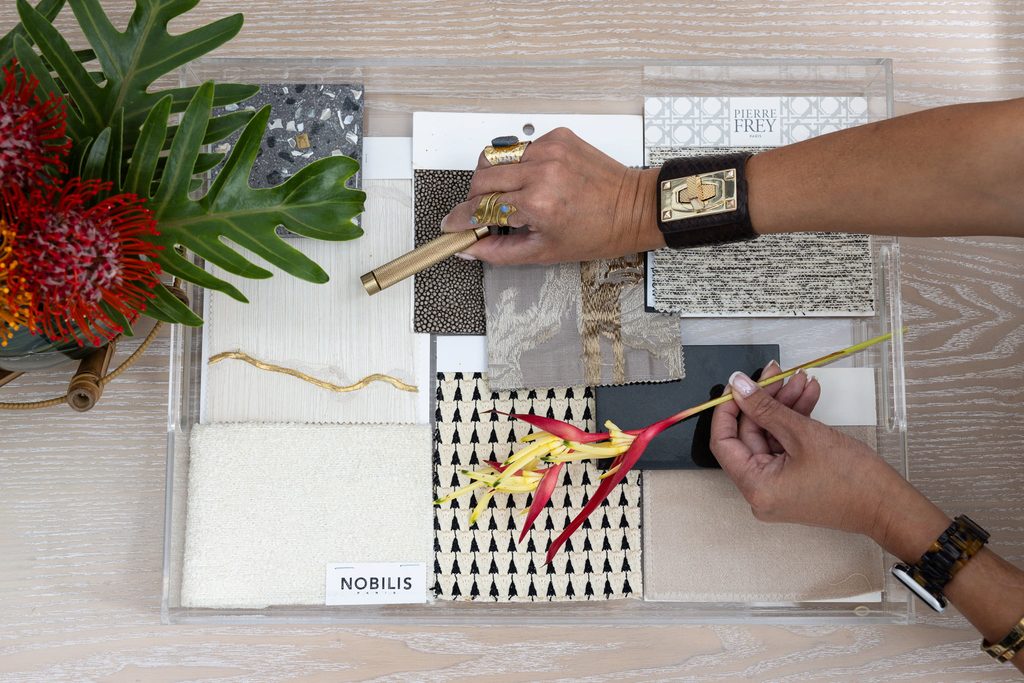
Time and Investment in the First Conversation
What follows is far less visible. Detailed design development, documentation, procurement, and execution all sit behind the scenes, and the team manages every stage from concept to completion. The process she has built over two decades is meant, she says, to bring clarity and confidence to something that can otherwise feel overwhelming.
Expectations, timelines, and investment come up in the first conversations. Transparency matters to her. “Creating a truly exceptional home takes time,” she says, and custom pieces and careful sourcing cannot be rushed.
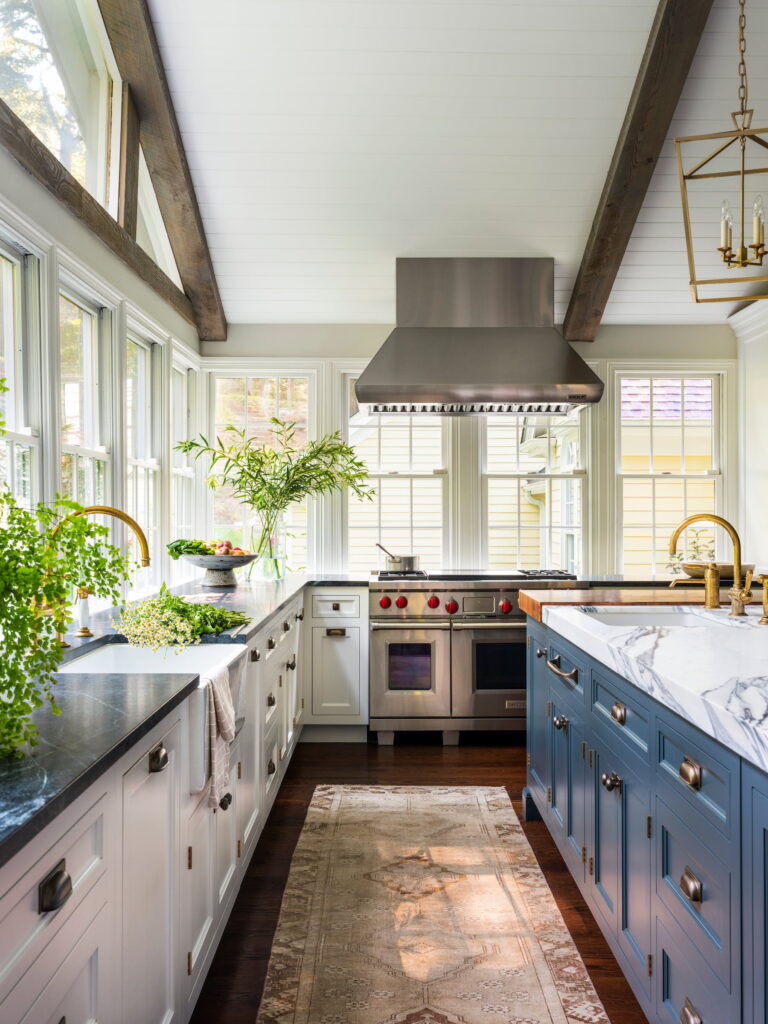
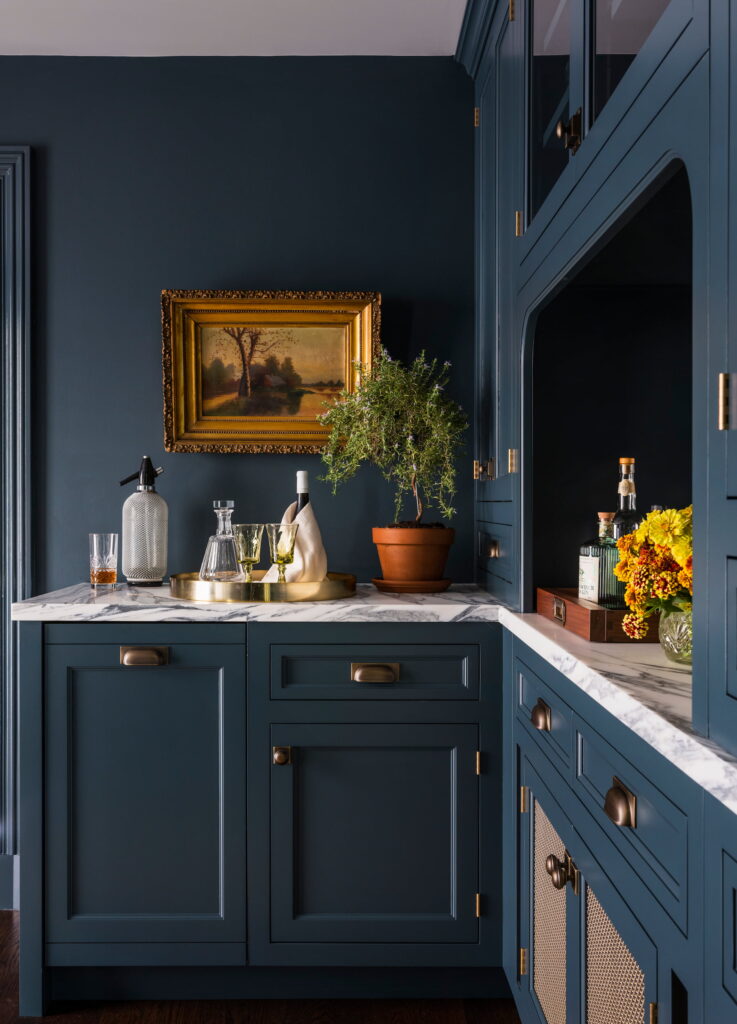
Hiring a designer, as Alex frames it, is not simply about selecting beautiful furniture but about having an experienced partner who can navigate hundreds of decisions, anticipate challenges before they arise, coordinate the many layers of a project, and produce a home that feels considered and lasting. What she is after is not something beautiful today but a home that still feels relevant and meaningful years from now.
What South Florida Asks of a Designer
Alex lives and works in Boca Raton. In South Florida the connection between indoors and outdoors is a natural one, and it influences every aspect of design. Light, landscape, water, and climate all become part of the experience of a home, and that sense of openness and possibility is among the things she loves most about the region.
Many South Florida clients are open-minded in a way she finds refreshing, often willing to embrace color, texture, and personality. “There is a relaxed elegance here that I find incredibly inspiring,” she says. The challenge and the opportunity, as she puts it, is creating homes that feel “sophisticated without feeling formal, and luxurious without losing their sense of comfort and ease.”
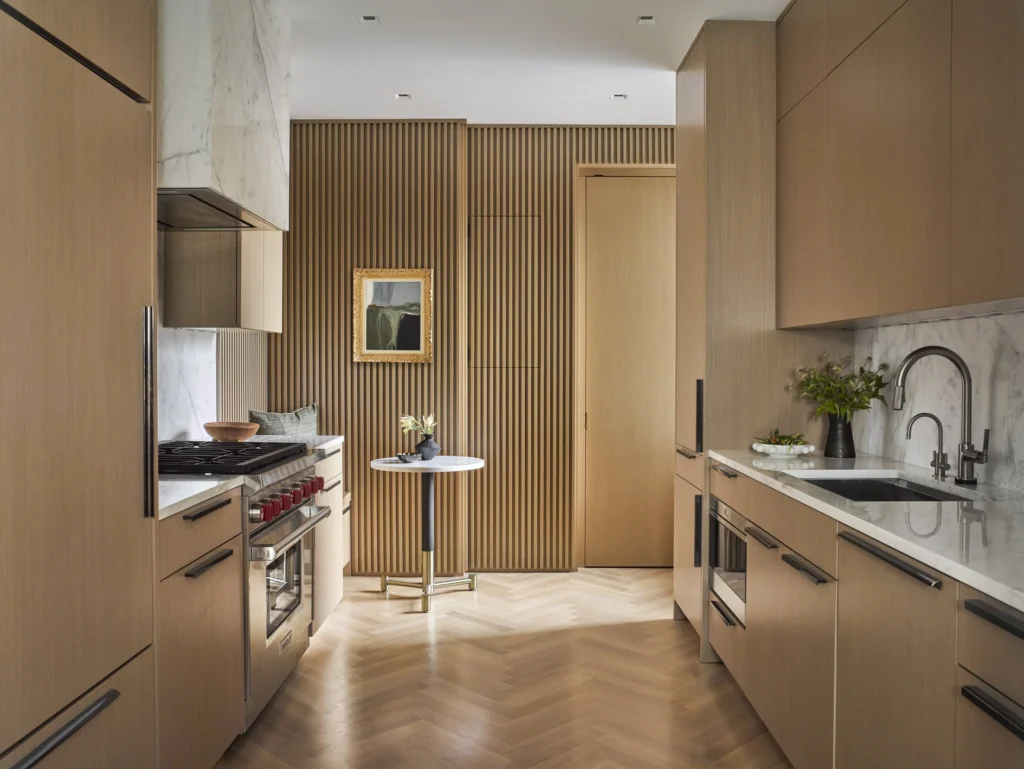
Her advice to anyone still weighing whether to hire a designer is a single line. “Choose someone who truly listens.” The relationship is a close one, so she tells people to look for someone who understands their lifestyle, respects their vision, communicates clearly, and brings experience to the work. Great design, as she puts it, improves the way people live, shaping how they gather with family and friends and how a home supports a life.
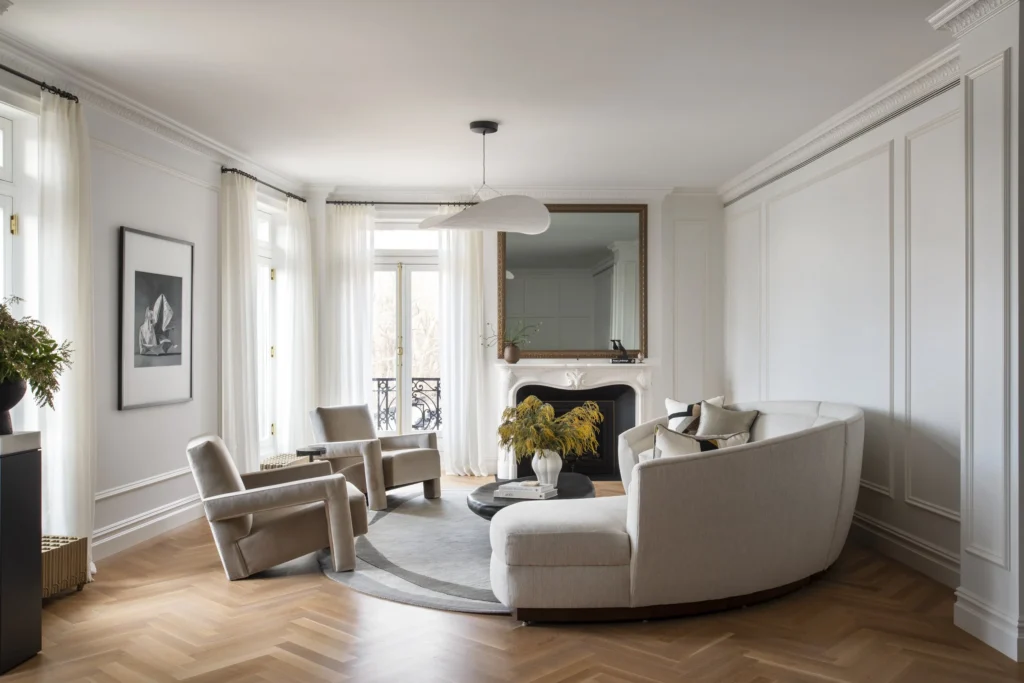
Every project meets challenges and unexpected turns along the way. Then there is often a moment when the individual layers begin speaking to one another, the architecture and the furnishings, the lighting and the textures and the artwork. What existed for months as drawings, samples, and conversations finally becomes a living space. Reaching it takes trust, and the projects that get there tend to be the ones where the client extends it and lets the vision unfold. “The greatest compliment I can receive is when a client says, ‘This feels like us.’”