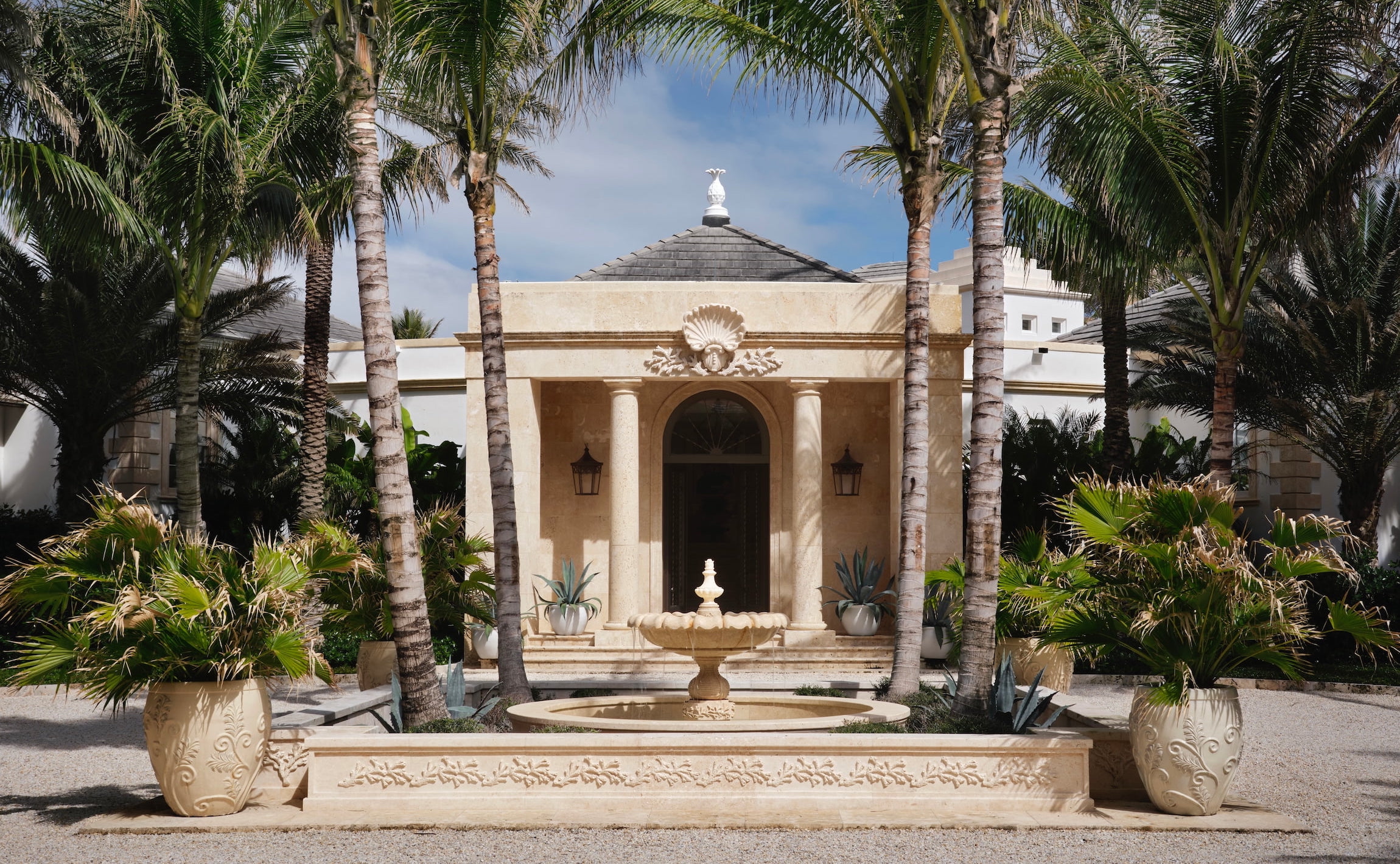
Barbara Tattersfield’s first stone door surrounds and columns went into her own home. She had begun her career as a commercial interior designer in Mexico City, and it was while remodeling the interior of that house that she brought the stone in.
Once she had seen the stone through every stage in her own rooms, she began using it on the projects she was hired for. The practice carried her name as Barbara Tattersfield Design before it became BT Architectural Stone, which works today from South Dixie Highway in West Palm Beach.
Ask the firm what sets its work apart, and the answer comes down to depth. “Most local stone suppliers are dealing in tile and slabs. We like to think of our business as dealing with cubic stone.”
Tile and slab cover a surface. Cubic stone is the block itself, and the firm’s work starts there, with stone elements custom fabricated “as the builder or owner sees fit.” Even its flooring is cut in four thicknesses up to three inches, at practically any size. “That’s our strength.”
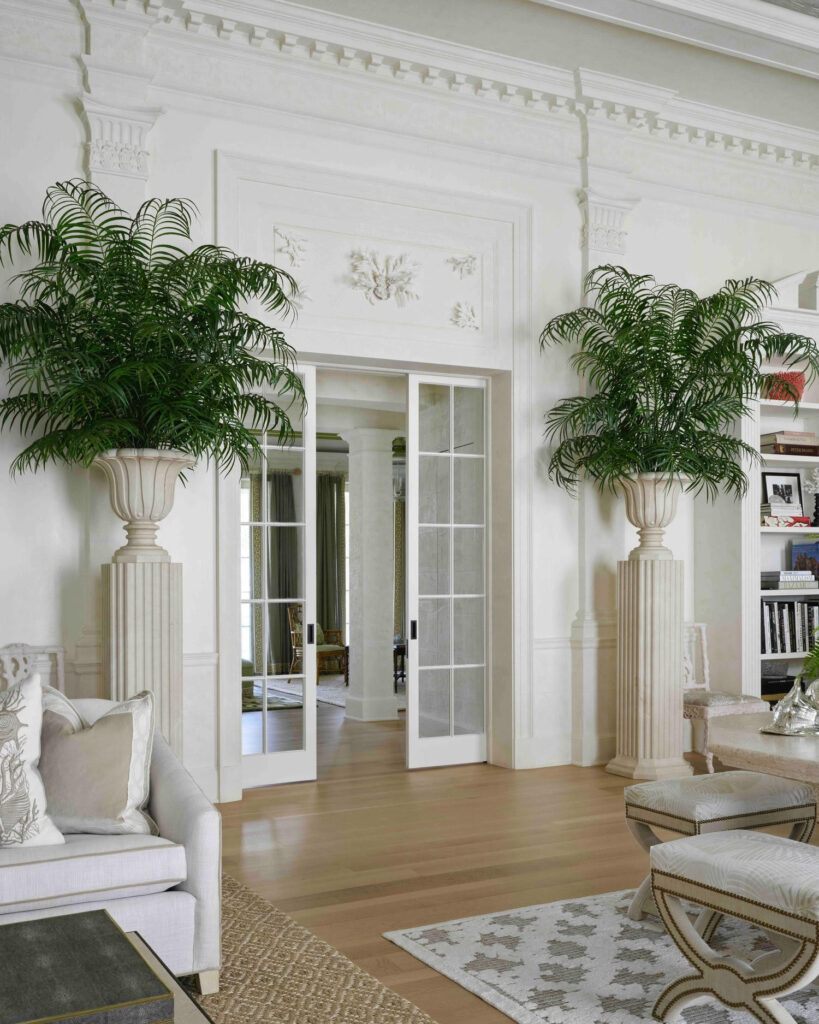
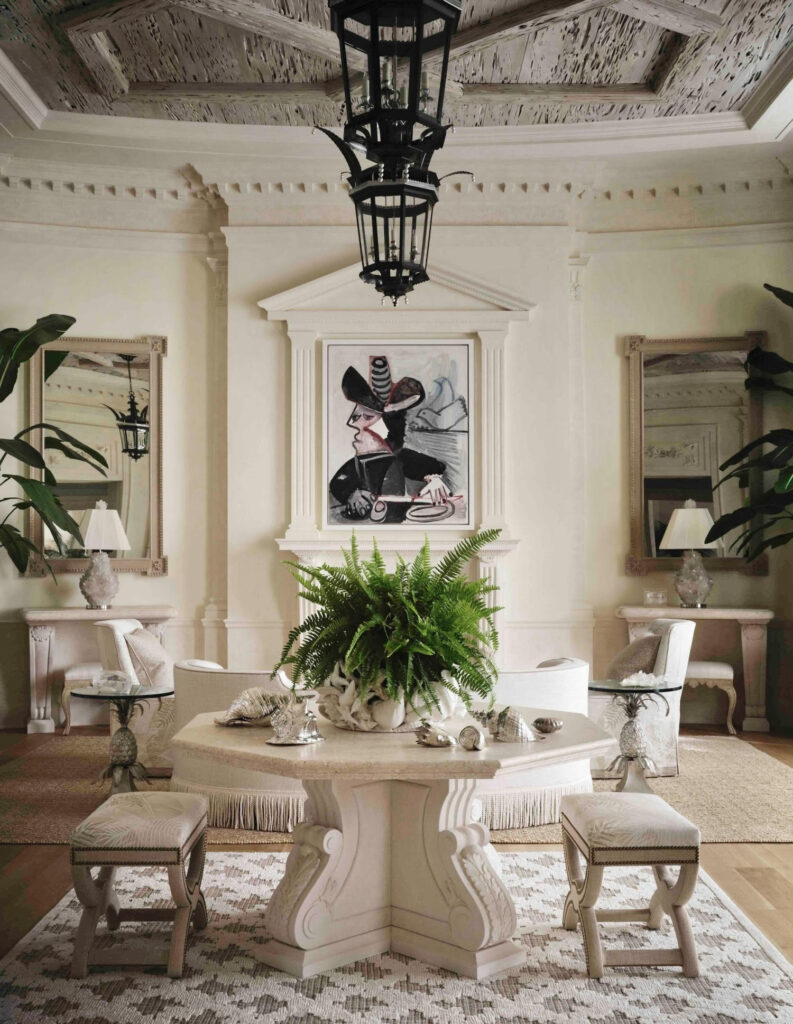
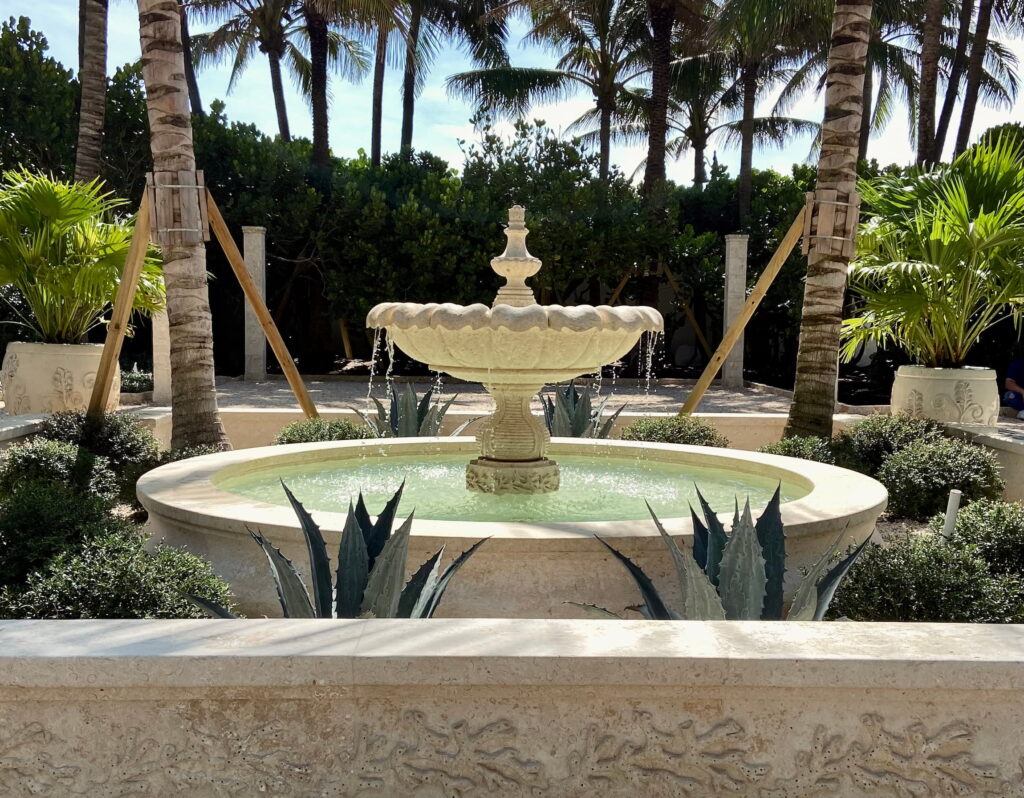
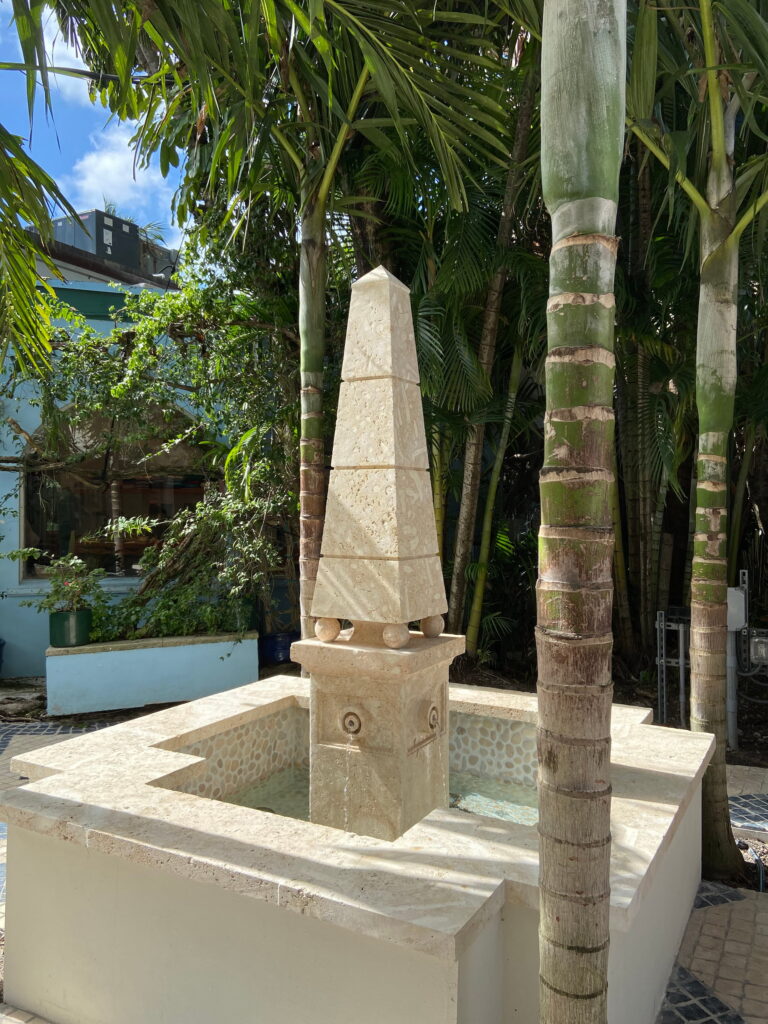
Its columns show what that means in practice. Each is made of marble, limestone, or travertine and sanded extensively to bring out the character and patina of the stone. Depending on what the structure requires, a column can be solid, or split and hollowed. At the front of a house, the firm treats the entry as the passage from outside to in, where an entrance surround, columns, and a fountain can work together as one statement.
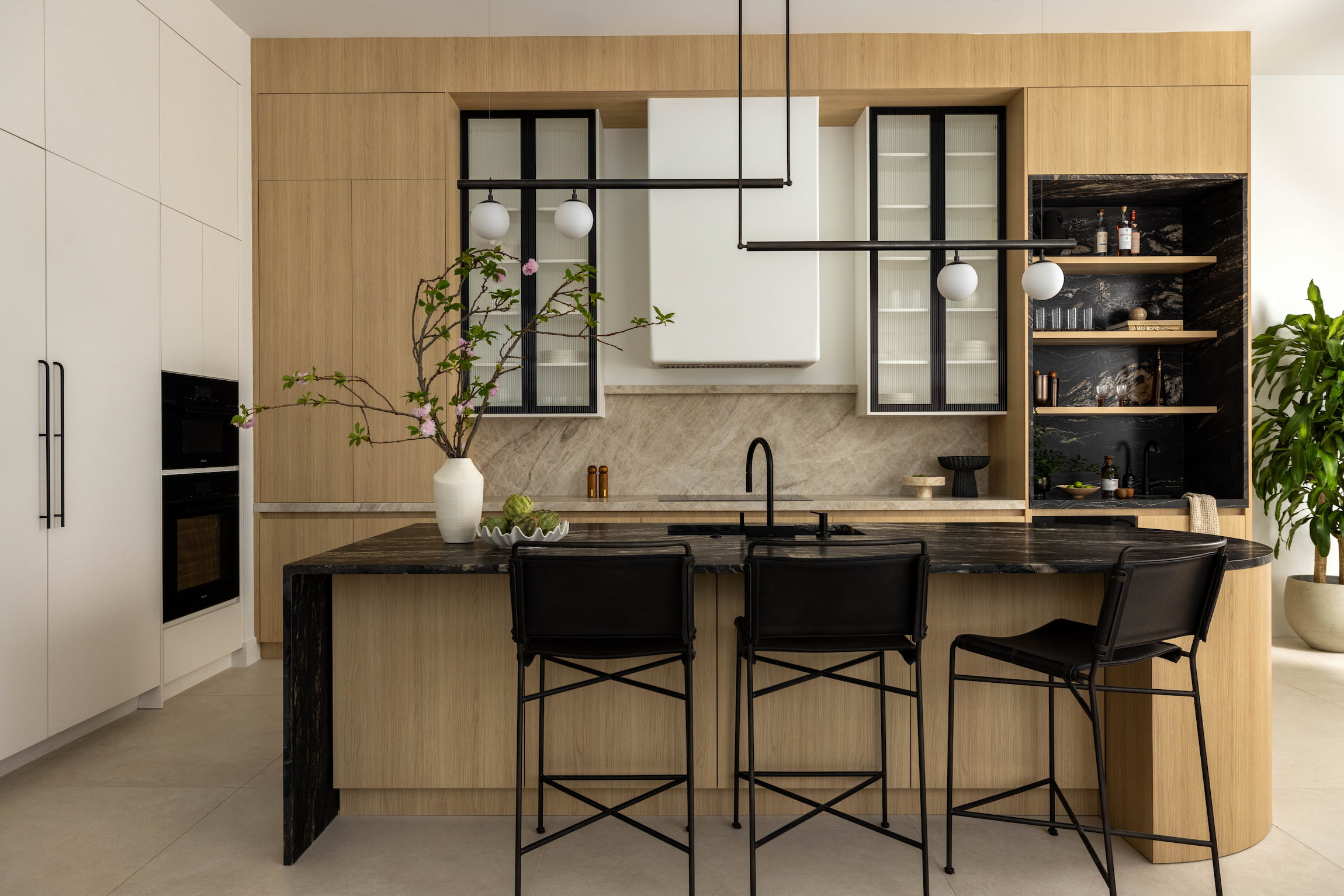
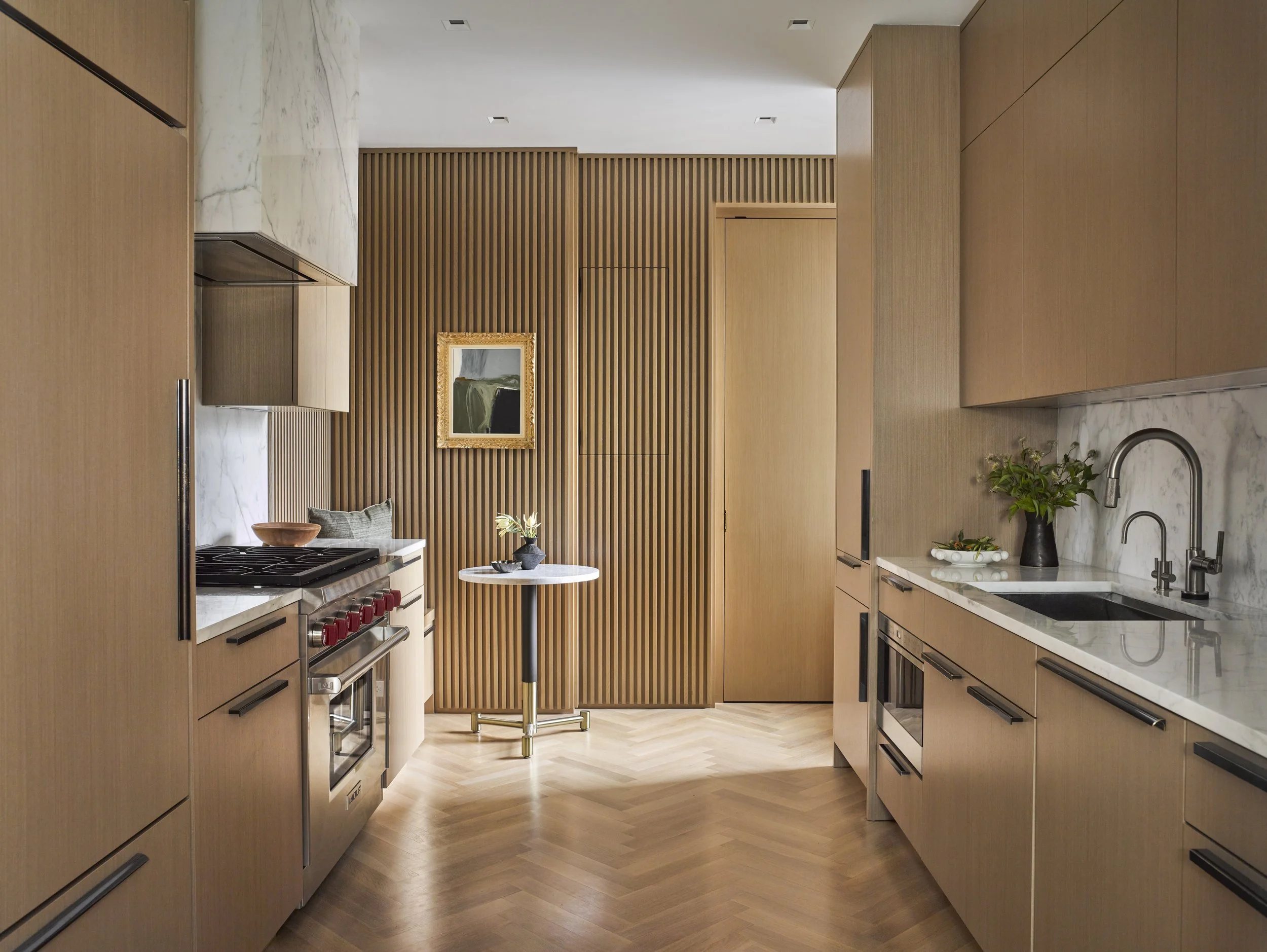
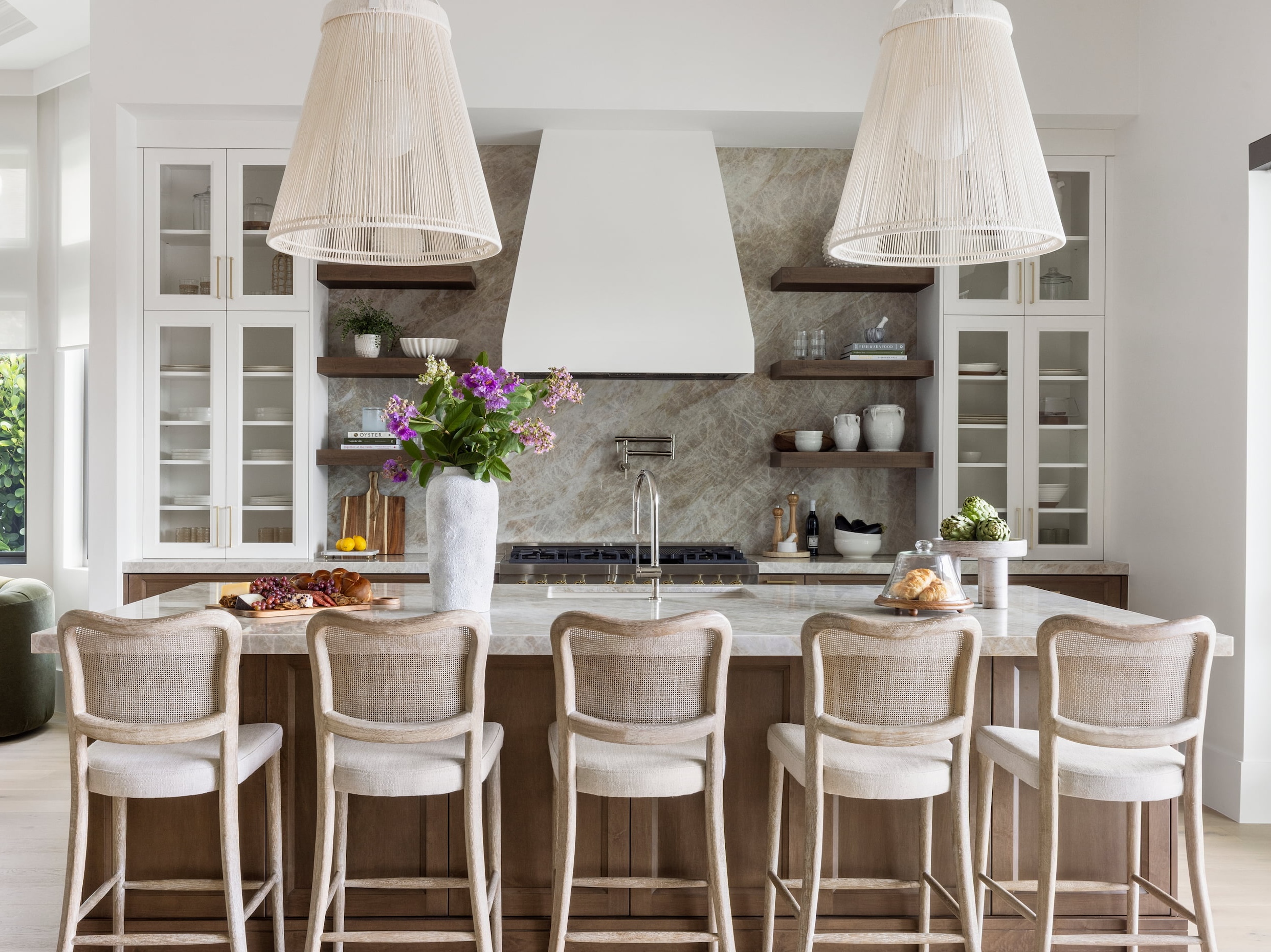
Much of their limestone is sourced from Spain, France, and Portugal, along with marble, sourced from quarries across Europe and the Americas. Its designs run from a classical Doric colonnade in French limestone to a heavily ornate Florentino mantelpiece in Carrara marble. Clients can start from the firm’s library of designs or supply a concept of their own, and the work covers fireplaces and kitchen hoods, entrances and fountains, stone cladding and landscaping. The range hood gets particular attention. The firm calls it one of the most critical pieces in a kitchen and one of the most often overlooked chances to give the room presence.
The instinct is Old World, and Renaissance and Tuscan are among the styles the firm names. Its range, though, runs from contemporary and modern work to French Beaux Arts. Antique designs are part of it too, art deco and nineteenth century styles among them.
Chosen by Eye and Then by Climate
A stone is chosen first for how it looks, whether it will sit inside the house or out. Color, texture, and movement narrow the options before anything else is weighed.
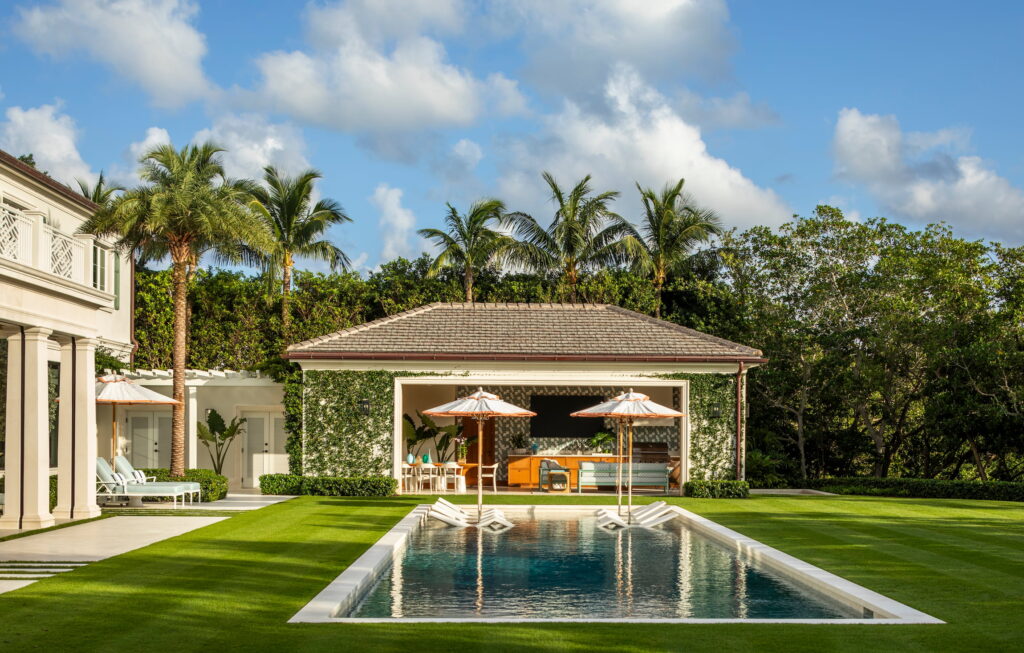
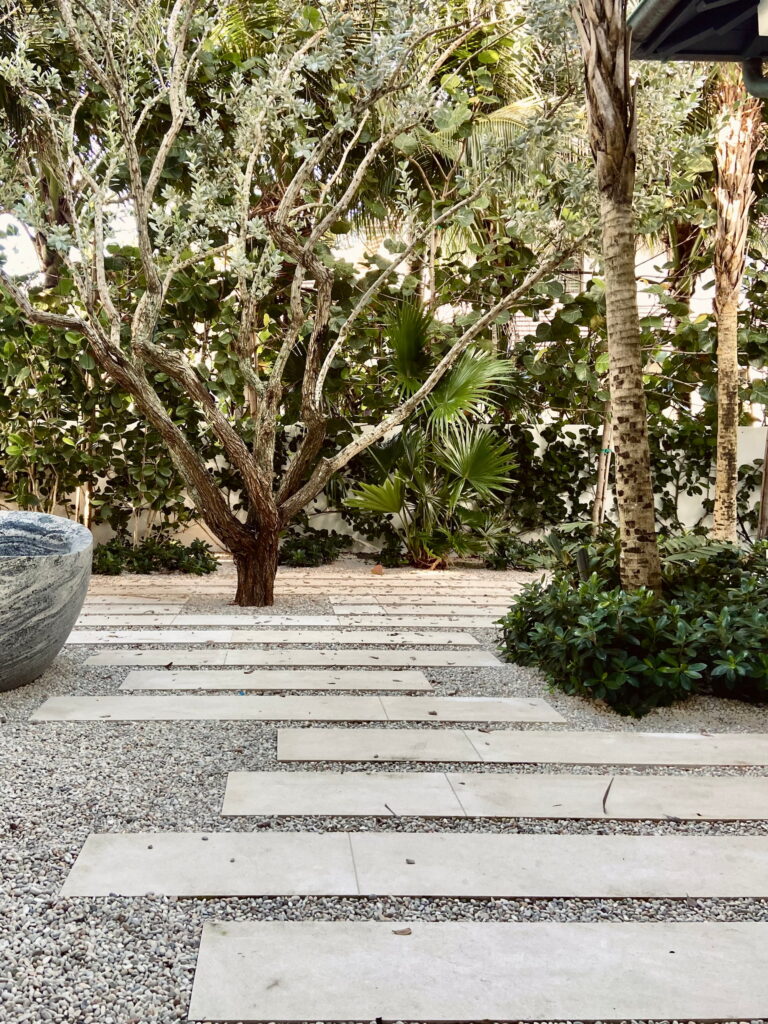
For a piece that will live outdoors, the weather comes next. The limestone has to be selected with the environment in mind, and the stone is sealed after installation, which helps it fend off salinity.
Up north, the threat is the swing in temperature. In New England, a limestone or travertine has to survive extremes of heat and cold, and freeze and thaw cycles enter the decision.
Where the Mason Takes Over
Much of the fabrication can now be automated, about 80 percent of the workload by the firm’s estimate. What remains goes to a skilled mason, who details the piece “the old school way.” How much is left depends on the carving, and some pieces have none at all.
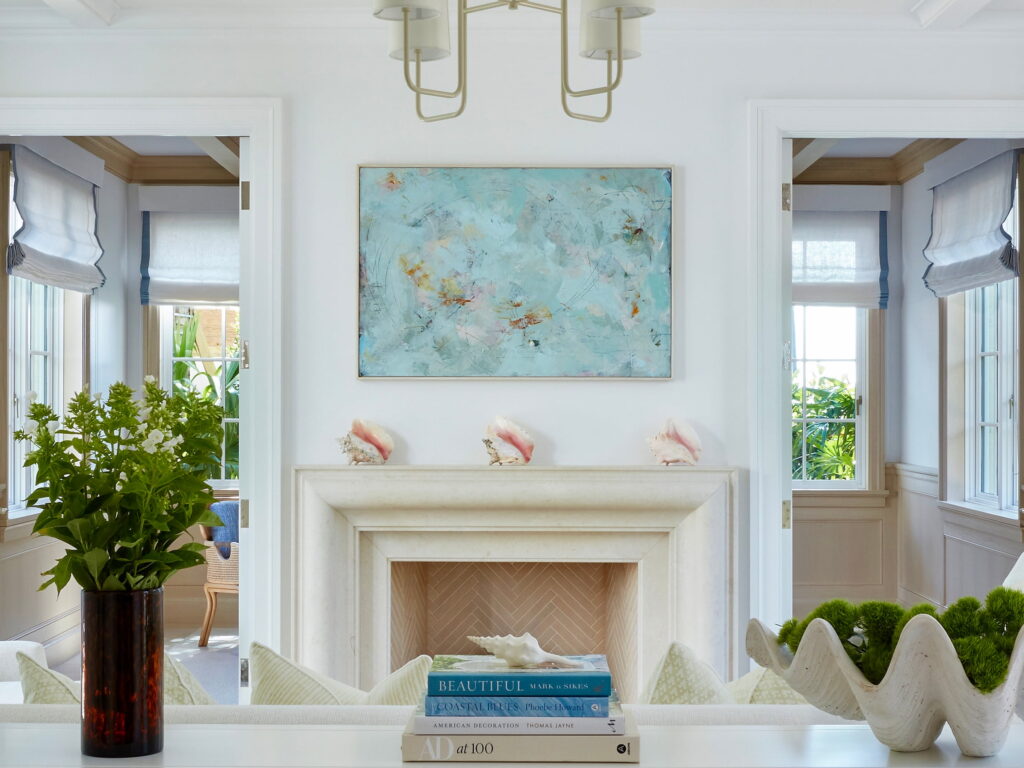
A single fireplace is made of more than twenty separate sections, each cut and carved to follow the working drawings. The measurements behind them are taken on site, where the team also learns what the client is after.
Brought In Before the Drawings Go Out
Some of the firm’s work happens before there is anything to carve. On certain projects, it works with the architect to solve problem areas before drawings are presented to the builder or owner. More often its main partner is the builder, who acts as the go-between with the designer. Sometimes the designer works with the firm directly. Framing plans are coordinated with architects and builders alike. The firm is plain about it. “There really isn’t a one way of doing things.”
Its advice to anyone commissioning custom stone for the first time is just as plain. “Collaborate. Ask us. Tell us your ideas and objectives so we can make the journey a lot smoother for everyone involved.”
Columns and door surrounds, the pieces Tattersfield first brought into her own house, are still part of what the family business makes, now measured and cut for other people’s homes.