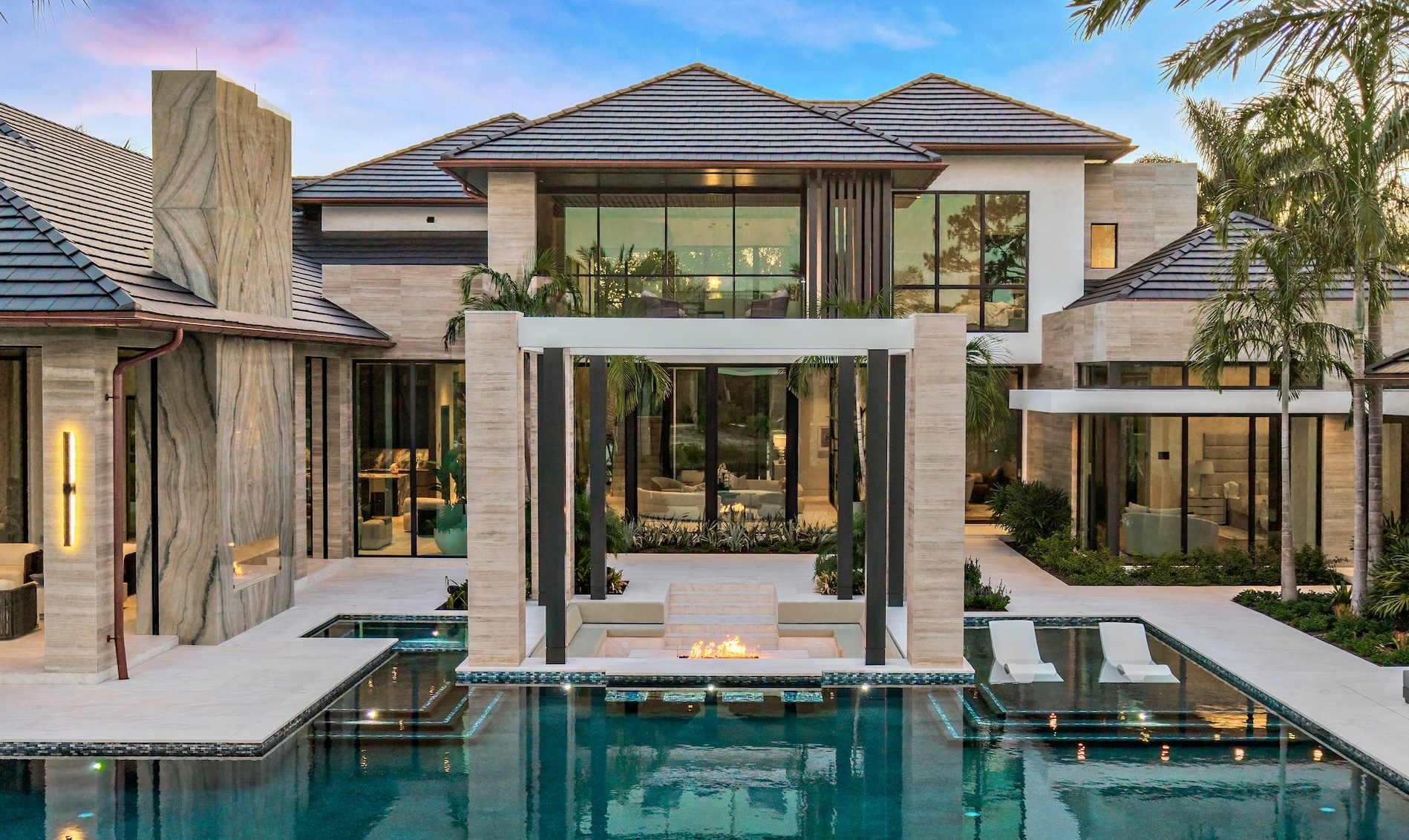
Cornerstone Companies was built on a conviction most of the industry had decided not to hold. Windows and doors, in the conventional view, are components. They are items on a spec sheet, ordered after the architecture is resolved.
Scott Bussard, who co-founded the company, saw it differently. The opening, the frame, the weight of the hardware, the narrowness of the sightline. These are the decisions that shape how light moves through a room, how a space reads from the outside, and whether a home finally feels like what it was meant to be. “We founded Cornerstone with the belief that fenestration should be treated as part of the architecture itself, not simply a building component,” he says.
That premise, stated plainly and held consistently, is the organizing idea behind everything the company has become. As a family owned business, Cornerstone was built on integrity, craftsmanship, and personal relationships, and on the belief that the right partner understands not only performance and code but how a window shapes the experience of a home.
A Portfolio Chosen on Purpose
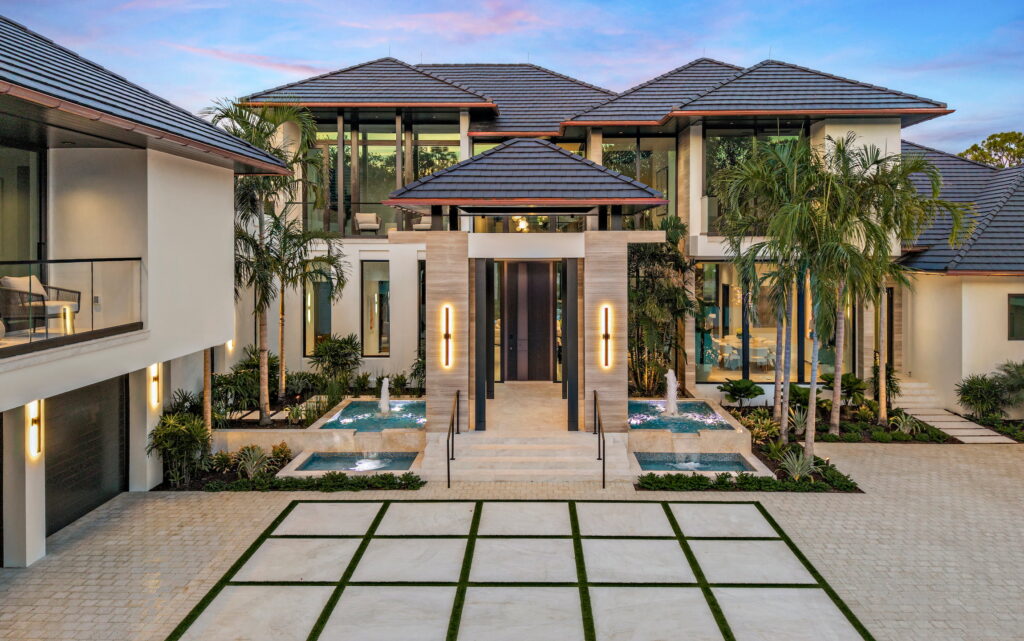
Cornerstone, headquartered in West Palm Beach, serves the architects and builders behind some of South Florida’s most ambitious luxury residential work. The company represents a tightly held roster of manufacturers, including Brombal, ES Windows, Kolbe, and Oikos, each chosen deliberately rather than assembled by default.
Brombal delivers handcrafted steel and bronze fenestration from Italy, with narrow sightlines and structural capabilities few other systems can match. Kolbe brings flexibility and design range across wood and aluminum-clad systems. Oikos approaches the entry door as an architectural statement in its own right. ES Windows contributes high-performance impact solutions with real design flexibility. “Every brand in our portfolio was selected intentionally,” Bussard says. “We wanted partners who shared our values around craftsmanship, innovation, and design integrity.”
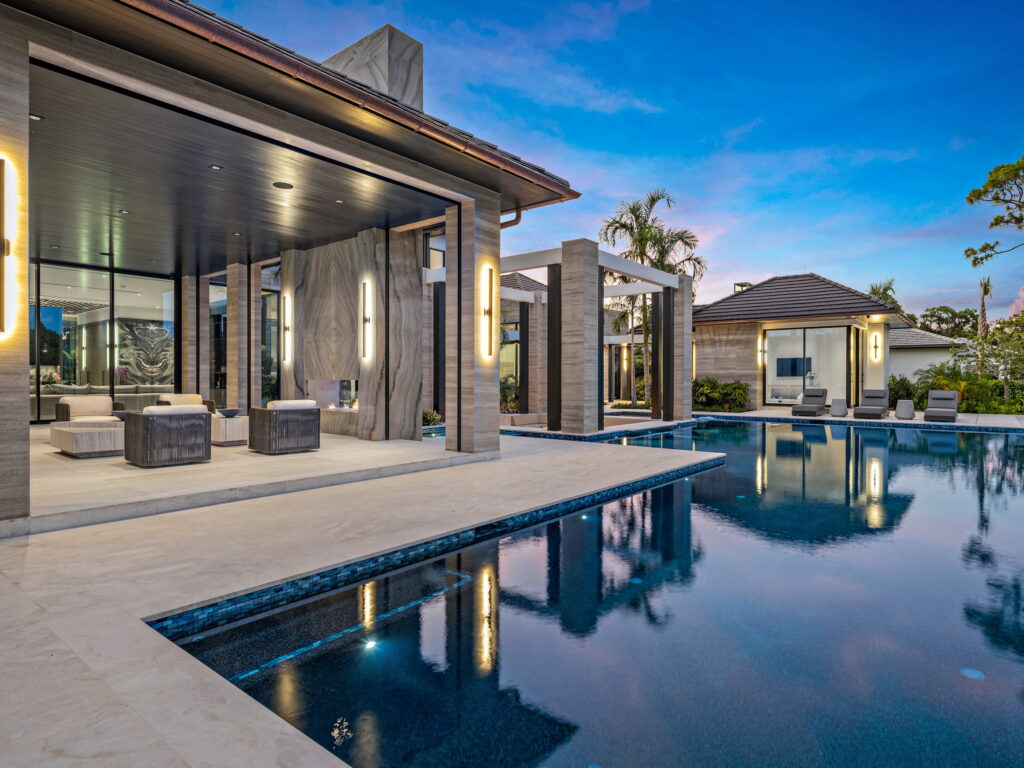
He is particularly direct about what Brombal makes possible. The Italian manufacturer’s thermally broken steel and bronze systems are handmade under a tradition of more than fifty years. The narrow sightlines, the structural performance, the range of metals and finishes. These open up possibilities most other lines cannot reach. In South Florida, where clients require impact-rated glazing regardless of scale or ambition, Brombal delivers both the beauty and the performance without asking architects to choose between them. “It is especially well suited for highly custom waterfront estates and architecturally driven residences,” Bussard notes.
What Bussard calls design-forward fenestration is less a slogan than a sequence. It means treating windows and doors as part of the architectural vision from the start, weighing proportion, light, and materiality alongside the architect rather than after the drawings are set. Cornerstone works with architects and builders early, while there is still room to preserve the integrity of a design and meet its technical and performance demands at once.
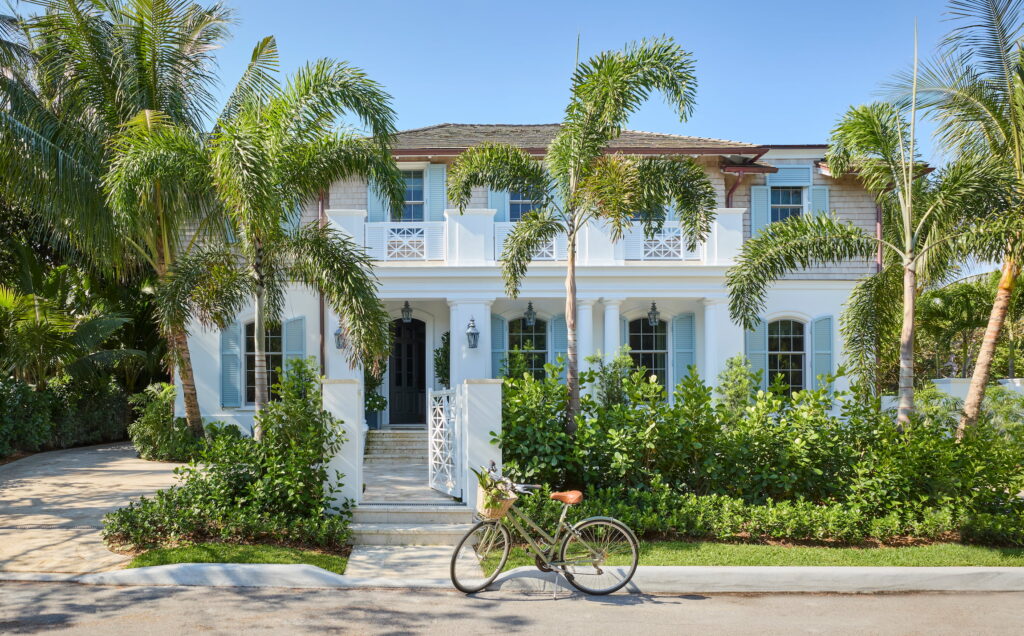
That position was sharpened by the market itself. South Florida is one of the few places in the country where impact requirements are absolute, where salt air and humidity are permanent variables in every material decision, and where clients arrive already knowing what they want and informed enough to know when they are not getting it. “You are building for hurricanes, salt exposure, heat, and humidity while supporting some of the most ambitious residential architecture in the country,” Bussard says. “Serving this market has made us more detail oriented, collaborative, and solutions driven, while reinforcing the importance of partnering with manufacturers who can meet both architectural ambition and strict performance standards.” It is not a market that rewards approximation, and Cornerstone has built its reputation precisely on that fact.
A Showroom That Has to Be Seen in Person
The Cornerstone showroom in West Palm Beach’s Northwood District was built to be experienced rather than browsed. The case is made before a single word is spoken. A heavy, oversized pivot door anchors the entry, grand enough to read as a statement on its own and a testament to the caliber of what waits inside. Many of the systems Cornerstone represents can only be understood in person, where their scale, movement, materials, and craftsmanship change the experience entirely.
Bussard wanted the space to feel immersive and architectural rather than transactional. The conversation, as he puts it, shifts from selecting products to imagining possibilities. It is the kind of space that rewards a real visit, where the scale, quality, and presence of the work become clear in a way no specification can convey.
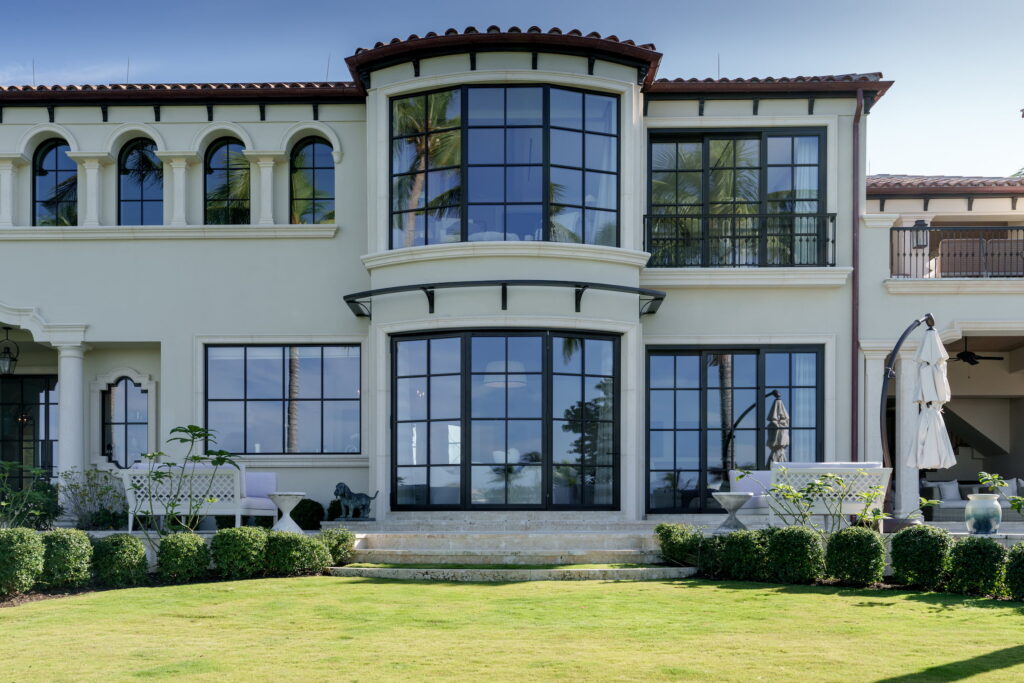
From First Bid to Final Punch List
Cornerstone’s involvement in a project does not begin at the selection table and end at delivery. It runs from the initial bid through final punch list adjustments after the home is complete. “Staying closely involved from beginning to end allows us to protect the original design intent while proactively solving challenges throughout the process,” Bussard explains. “It makes the biggest difference during coordination and installation, where precision and communication are critical to the final result.” For architects and builders working at this level, that continuity matters. An opening conceived at a certain scale, with a specific system in mind, should arrive and install with the same fidelity to the original vision.
For homeowners approaching a new build or significant renovation, Bussard’s advice is to enter the process before windows and doors have been reduced to a line item. Fenestration shapes how a home relates to light, to views, to the landscape beyond its walls, and to the people moving through it every day. It is also, he is careful to point out, something that cannot be fully known until it is physically in front of you. “Renderings and specifications cannot fully communicate materiality, craftsmanship, scale, or movement the way a showroom visit can,” he says. The decision deserves to be made with hands on the hardware and eyes on the glass.