The house that started JMA Interior Design was Jackie Armour’s own. She was a mother who loved design, working on the home herself, when the Palm Beach Post published it. Thirty years later, her firm runs out of an office in Jupiter with a team of more than a dozen, a portfolio running from residential work to yacht interiors, and a record of design awards. The motto has never been revised. You dream it, we design it. “Someone else’s vision, however unformed it might feel to them, is enough to start,” she says.
A client arrives with a feeling about how they want to live, often before they have words for it. Turning that into “a door to a dream home” is the work.
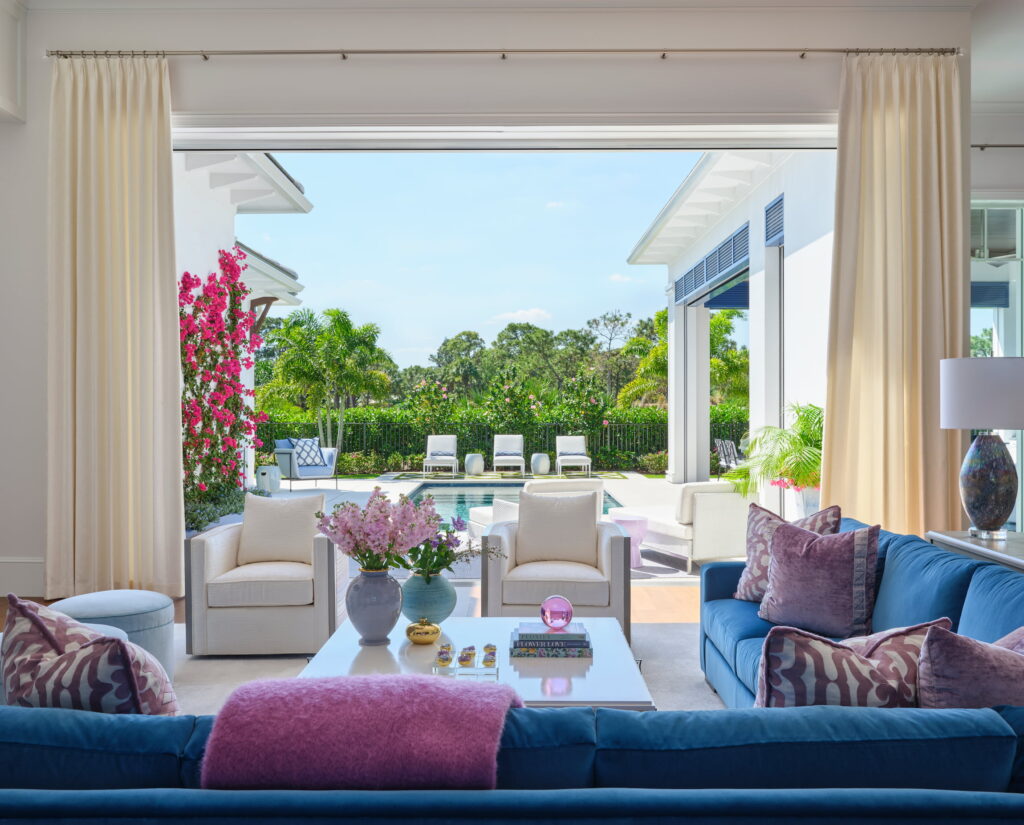
Color has been in the work from the first projects, and it is what built the reputation. Living in South Florida is about embracing color, says Armour, a Florida native, and Old Florida and Palm Beach chic run on whimsical tropical patterns and bright pink-and-green palettes drawn from mid-century coastal heritage. A recent Jupiter residence runs the clients’ love of purple, pink, and blue through bold floral wallcoverings, jewel-toned upholstery, soft pastel accents, and sculptural lighting. Balanced, she is quick to add, and never chaotic.
Most clients need more coaxing than that. Armour’s answer is to make the first move small. Color does not have to be loud to have impact. Paint one part of a wall. Try a patterned wallpaper. Dilute the color. “Diluting a color is a great way to dip a toe in without losing your nerve.”
Reading What a Site Is Already Doing
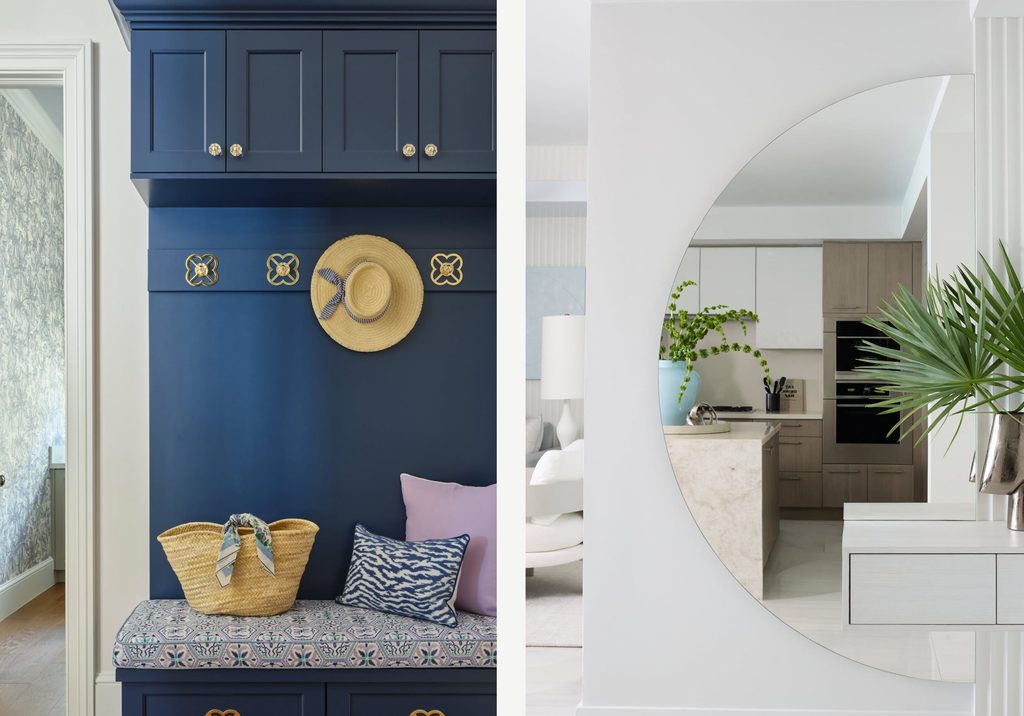
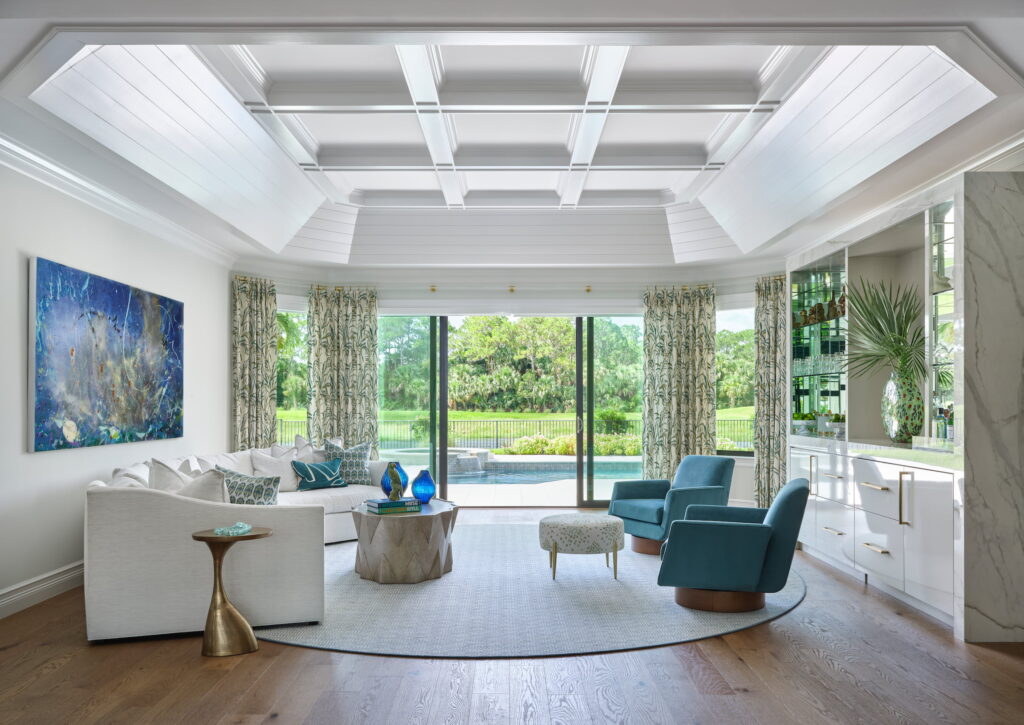
Before any of that, she walks the property. She tests how the light lands and watches the rhythm of the surrounding water and what the landscape is already doing on its own. The excitement is in those early days, she says, before the CAD drawings start. On Jupiter Island, a seaside home pulled its palette straight from the water seen through the windows, pale blues and soft whites and warm neutrals, because that house’s whole identity is its relationship to the coastline outside. “A home belongs where it stands when the design responds to the place instead of overriding it,” Armour says.
Two houses show how far that can travel. In Palm Beach Gardens, a British West Indies residence with a modern coastal feel carries a single green through every room, paired with clean finishes and warm textures and no competing colors or patterns. Modern, as JMA practices it, is function over form, where every piece of furniture and every architectural element serves a practical purpose.
Cape Cod went the other way entirely. There the studio stacked chintz on chintz in blue and white until the room, in Armour’s description, “feels rich and gathered over time rather than assembled in one gesture.” New England reads differently than Florida, in her view, and a home should feel that difference. She does not treat the two modes as rival philosophies but as “two different vocabularies for the same question, what does this client, in this house actually need to feel at home?”
Which Question Gets Asked First
Does the client entertain often, or is the house a private retreat? Do grandchildren visit? Is the kitchen for cooking or for gathering? The questions are ordinary ones. “Are you someone who needs quiet and order, or do you thrive with a little color and chaos around you?” she asks. Those answers matter as much as square footage or architectural style. The team listens for the indirect signals too, including how a client describes the way they want to feel in a room, and even the brand of clothing someone wears can suggest how they want their home to feel.
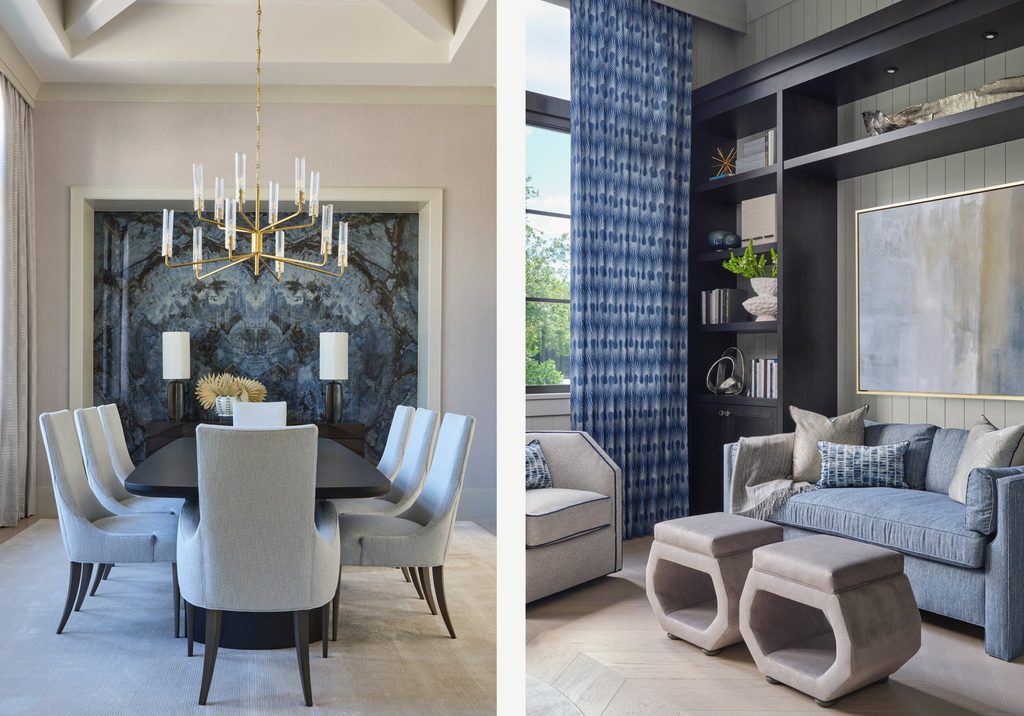
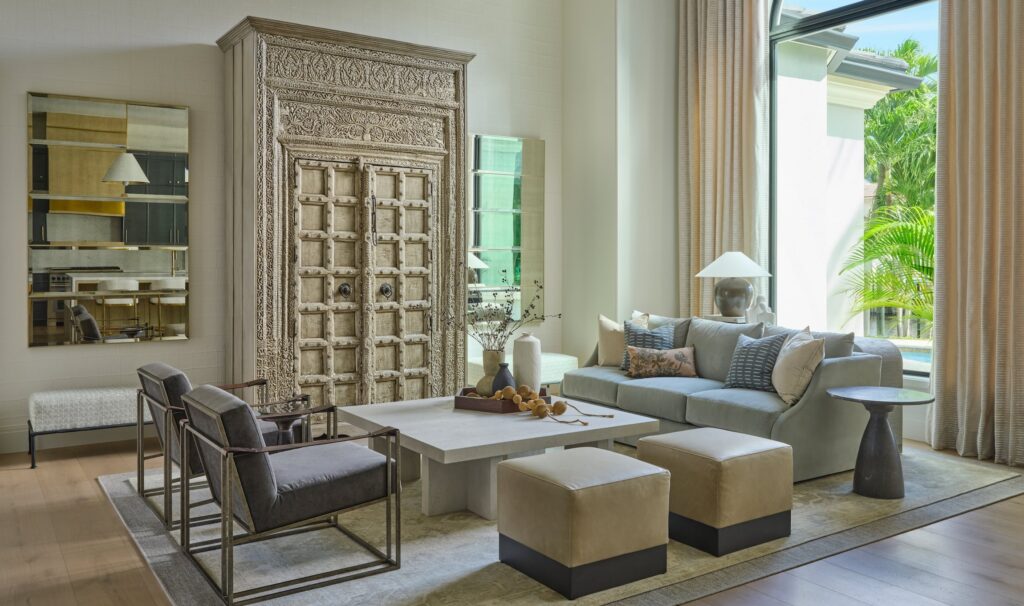
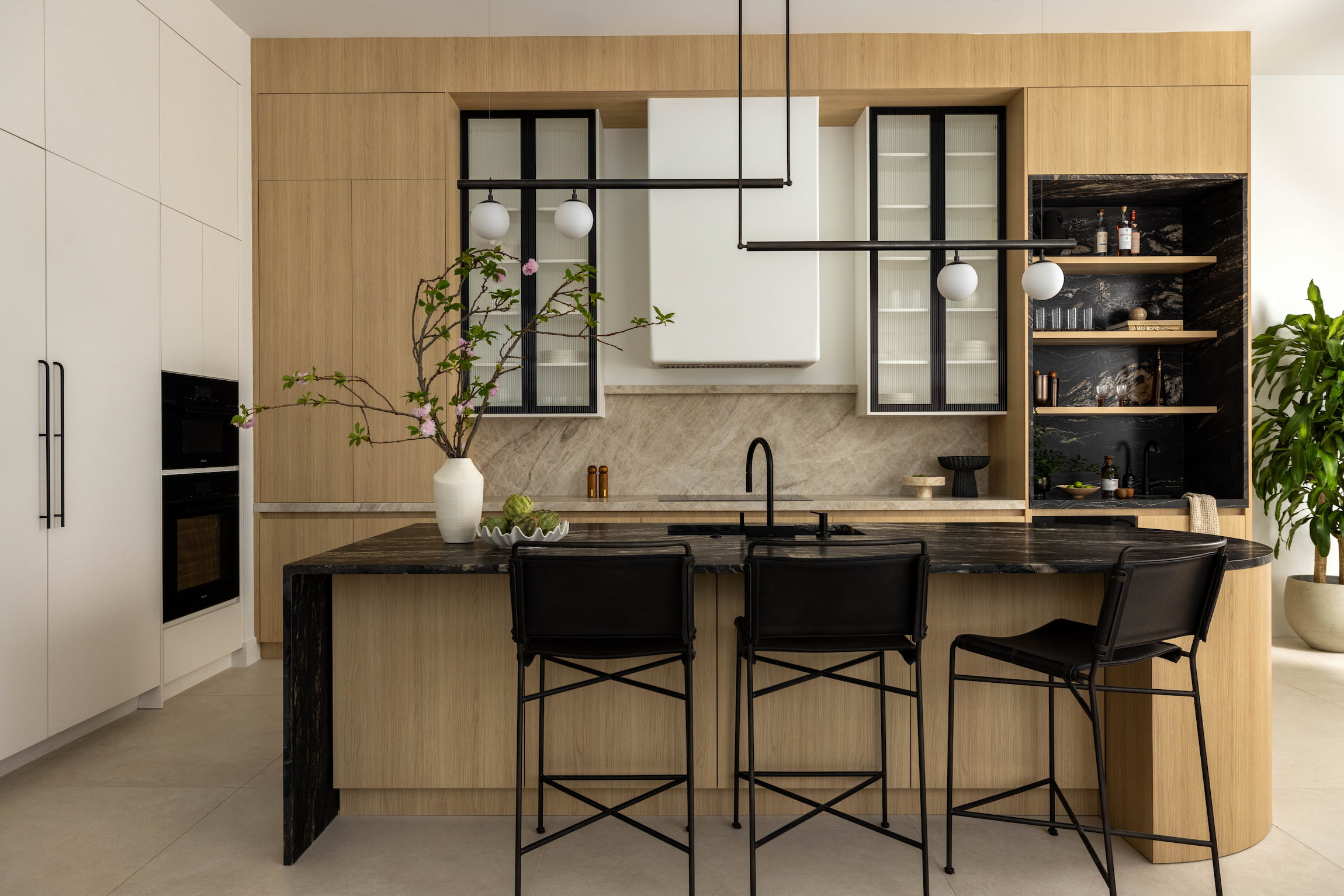
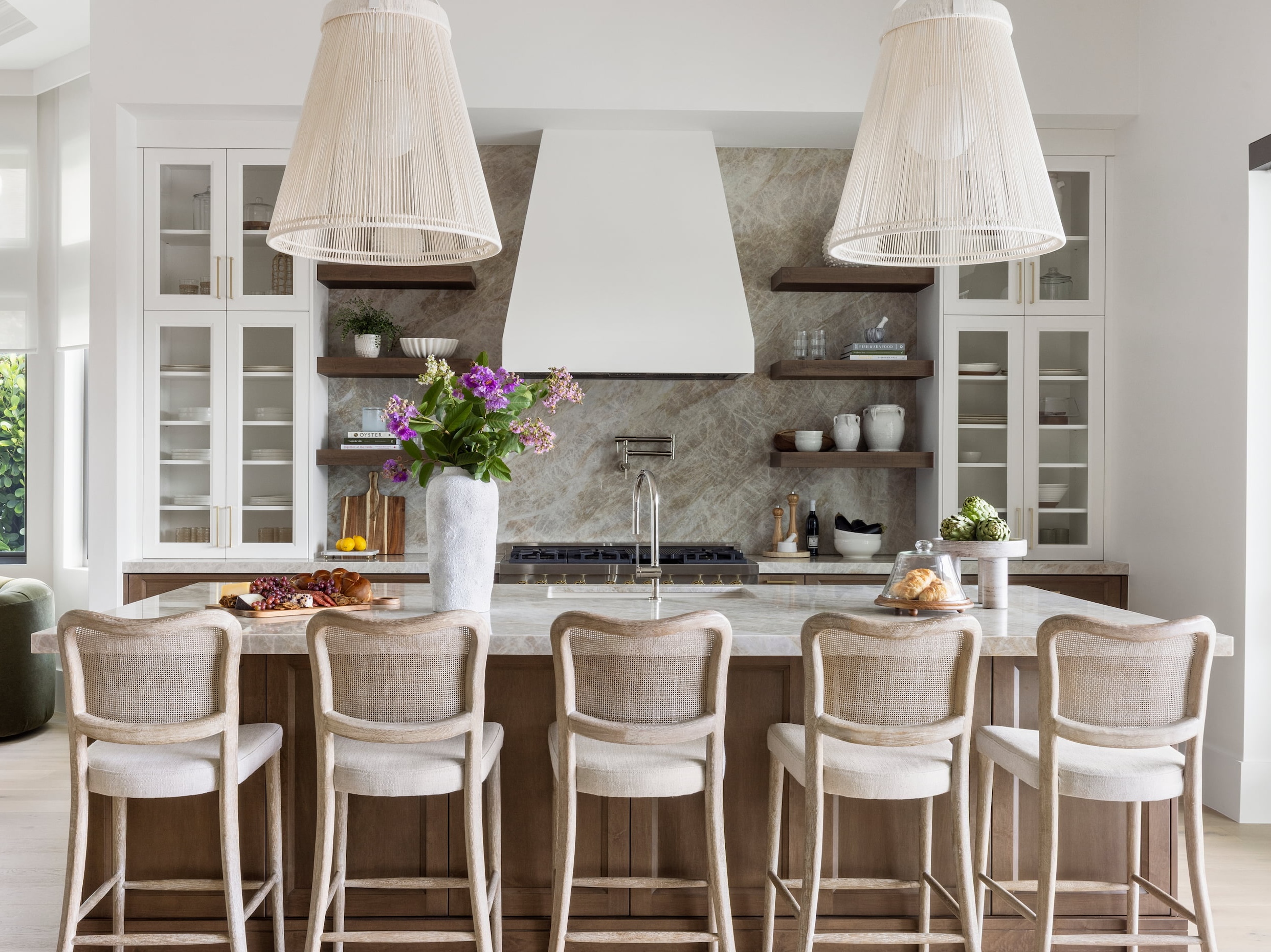
“Elevated but approachable means the sofa is stunning and you’re allowed to sit on it. It means a kitchen island can be a showpiece and still be where the kids do homework,” she says. Livable luxury is her phrase for it, and the balance hides in details most people never consciously register, “a rug soft enough for bare feet under a chandelier that could headline a magazine spread,” or a fabric chosen to survive coffee spills and a toddler and still photograph well. The house is designed for the client’s life first, and the wow follows from that, not the other way around.
The Promise Grew a Studio Around It
“We’re everything from the builders to the pillow fluffers under one roof,” Armour says.
What changed over three decades is not the promise, but the scale of what the firm can deliver on it. The work now runs past Florida to mountain retreats and ski condos, and past houses to commercial and yacht interiors. A recent project remade a Mediterranean waterfront residence as a Santa Barbara-inspired retreat with streamlined architectural details. The studio speaks what Armour calls “fluent construction,” which puts JMA in the conversation from the earliest architectural decisions instead of arriving after the walls are up.
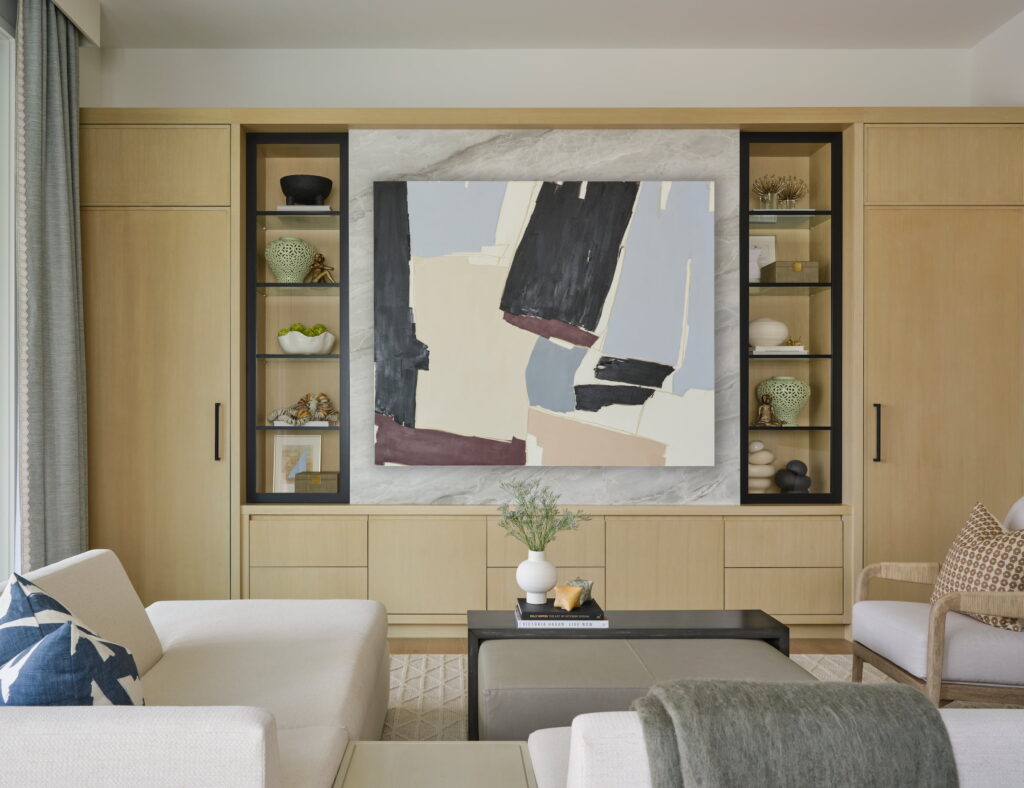
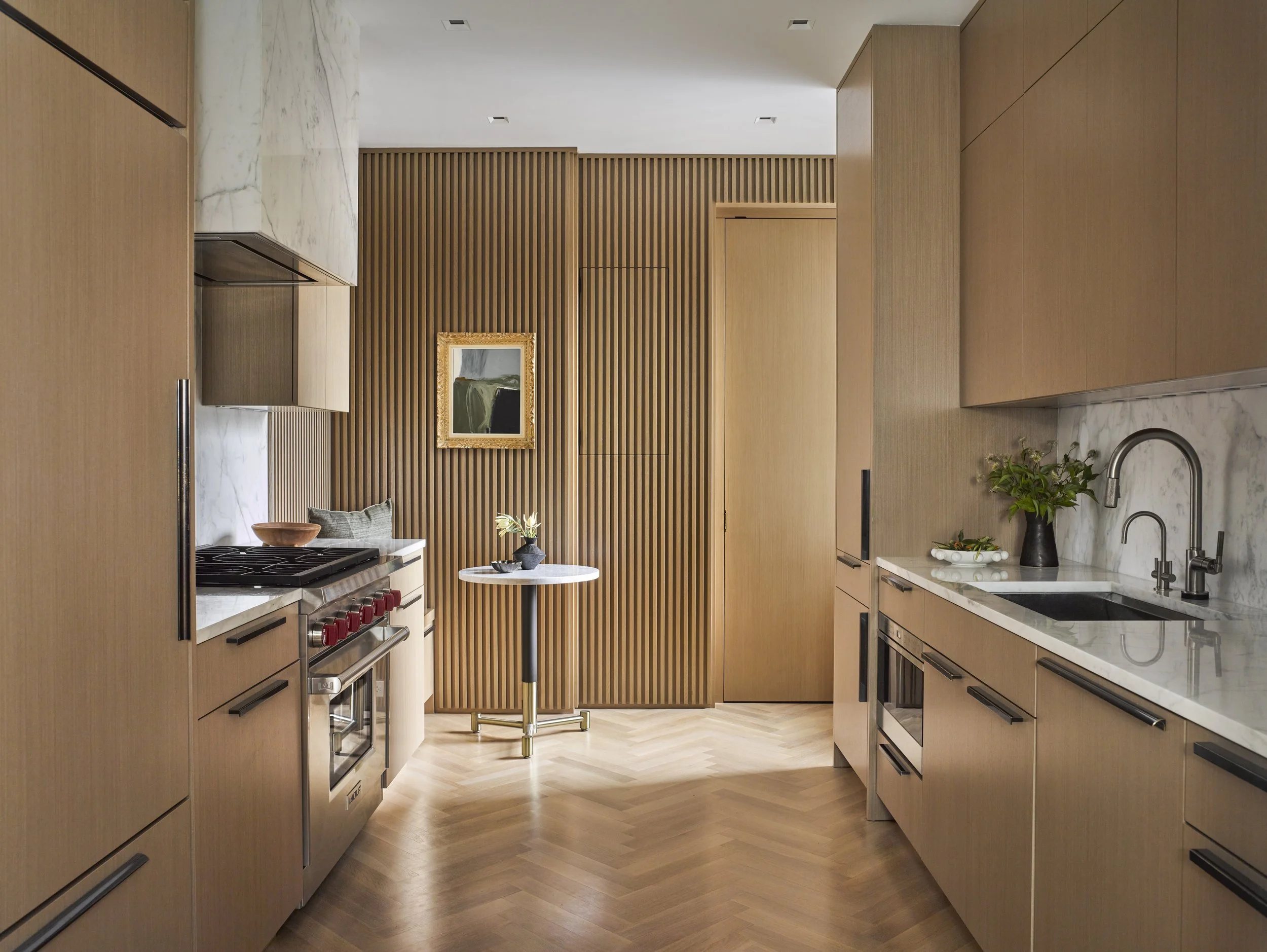
A cabinetry detail has to double as a hidden door. A kitchen expansion changes the flow of the whole house. An idea on paper has to work with plumbing, electrical, and structure. Those are the moments where most projects stall, and where one team answering for the house from the architecture down to the last throw pillow saves the client, in Armour’s account, a tremendous amount of stress.
Which brings it back to the smallest room in the house. The powder room is where Armour often starts, small enough that nobody lives in it and generous enough to carry more than its size suggests. In one Palm Beach Gardens home, JMA papered it in a Gucci wallpaper and then hung no mirror above the sink, so the wallpaper could take the room. Guests get their moment of surprise and delight, and the rest of the house is never asked to carry it.