Santiago Estevez grew up watching his father work. For twenty-five years, his father ran a flooring company in Mexico City, and when the international trade shows came around, Santiago came with him. He walked the factory floors. He met the European manufacturers his father represented, the people who understood the difference between a product made correctly and one made fast. When he founded STORIA seven years ago, his first calls went to manufacturers he’d known most of his life.
The company takes its name from the Italian word for story, and the idea behind it is specific. “When you stand on one of our floors,” Estevez says, “you’re standing on nature, on a process of evolution and a natural cycle that long predates the space it ends up in.” Every material at STORIA arrives with a history, and he believes it should be chosen with the same intention as anything else in the home.
The Standard Behind the Selection
The relationships STORIA holds with its European manufacturing partners are not catalog arrangements. Estevez visits each manufacturer personally to evaluate their process. He looks at how the wood is finished, what glue is used between the lamellas, whether the drying time is honored or rushed. Sustainable sourcing matters too, certified forests and quarries, because the provenance of the material is part of what the client is buying. “We’re carrying the story of the material into the home,” he says, “and that means honoring where it came from.”
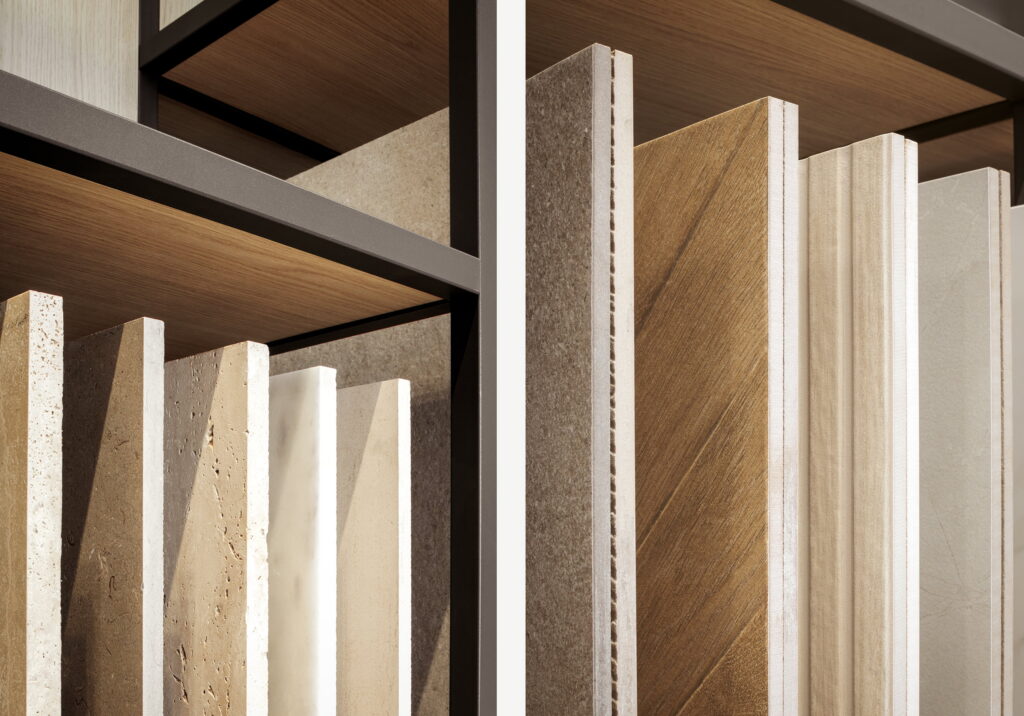
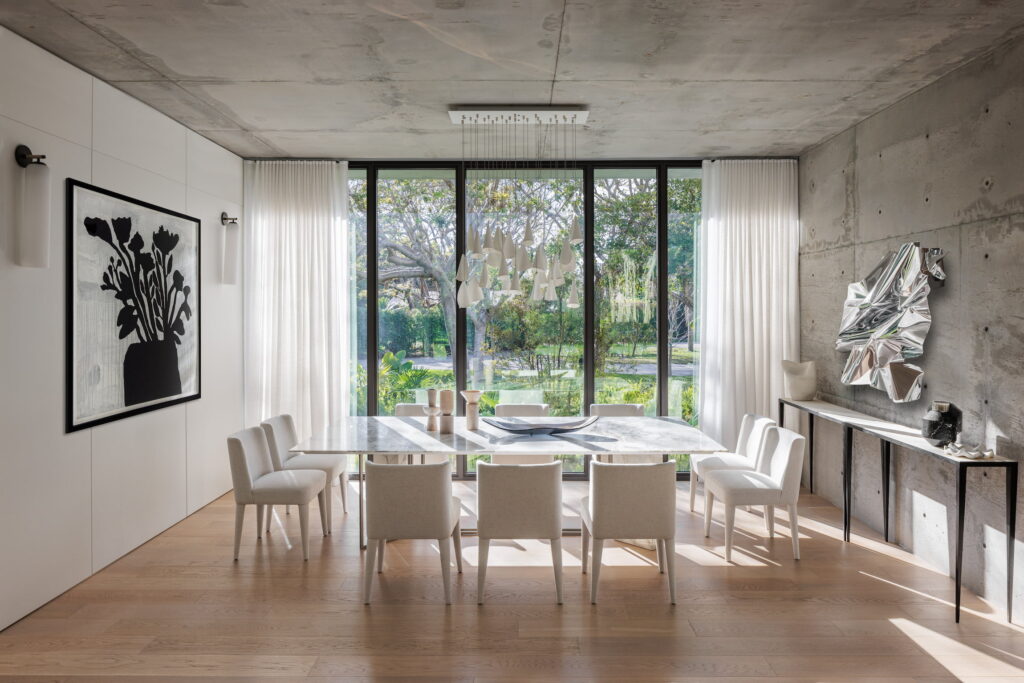
Most people in this business, Estevez will tell you, don’t make that trip. They buy on price and move on. The gap between those two approaches is visible in the product, and it’s evident to the designers, architects, and builders who work with both. In hardwood, STORIA builds to specification, with planks available up to 19.7 inches wide and custom stair treads customized for each project. Natural stone can be customized by finish, treatment, and format. The porcelain tile line is chosen to perfectly resemble the visual language of wood, natural stones, and concrete. It offers the same sensibility while meeting the performance certain projects demand. The throughline across all three is the same conviction. Flooring is an architectural decision, not a finish selected at the end of a project.
From the Back of a Car to Three Showrooms
The early days in Miami were not what the current operation would suggest. Estevez was driving samples personally, from the back of his car, to every firm he could reach. What he lacked was not the product. It was the footing that only a first successful delivery can give you. “It took that first opportunity, an order with a design firm that we delivered successfully, to create a ripple effect,” he recalls. He is candid about what came next. “Opening the first door is hard, but earning the second project, and the third, is harder still. That is why most of our client relationships have been with us for many years.”
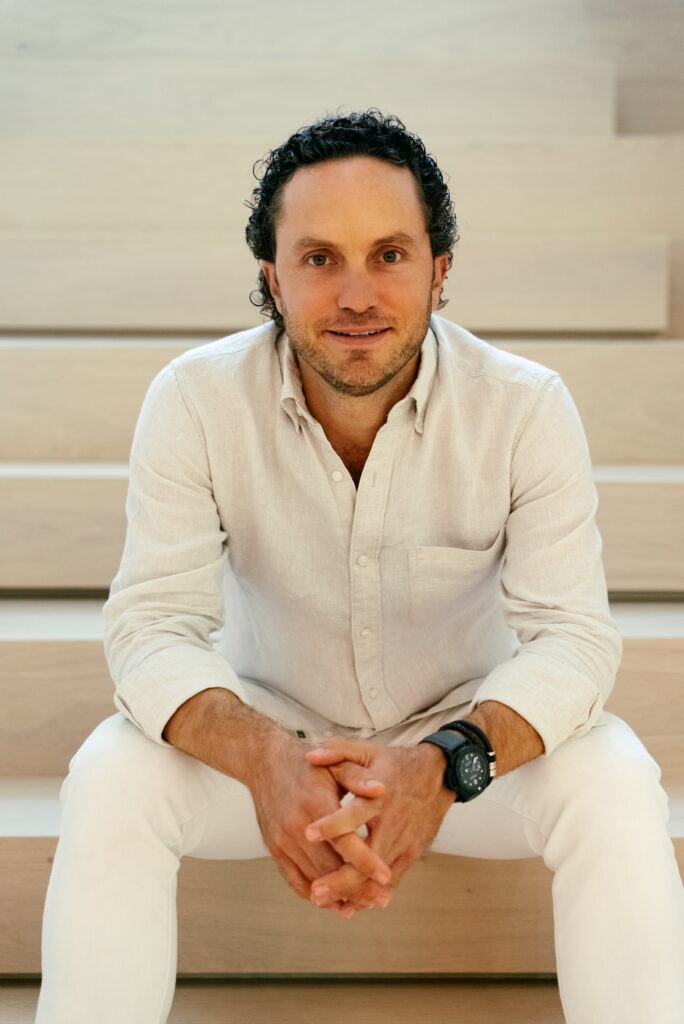
That retention is not incidental. It reflects a deliberate choice about what kind of company STORIA would be, one that operates, as Estevez puts it, as a design partner rather than a supplier, present from material selection through specification, installation, and beyond. Today the firm runs three showrooms. The original anchors Miami’s Design District, a second sits in Naples, and a third stands on Antique Row in West Palm Beach. With plans to open showrooms in major markets across the US, these three locations represent the beginning of a larger national footprint.
What Palm Beach Was Ready For
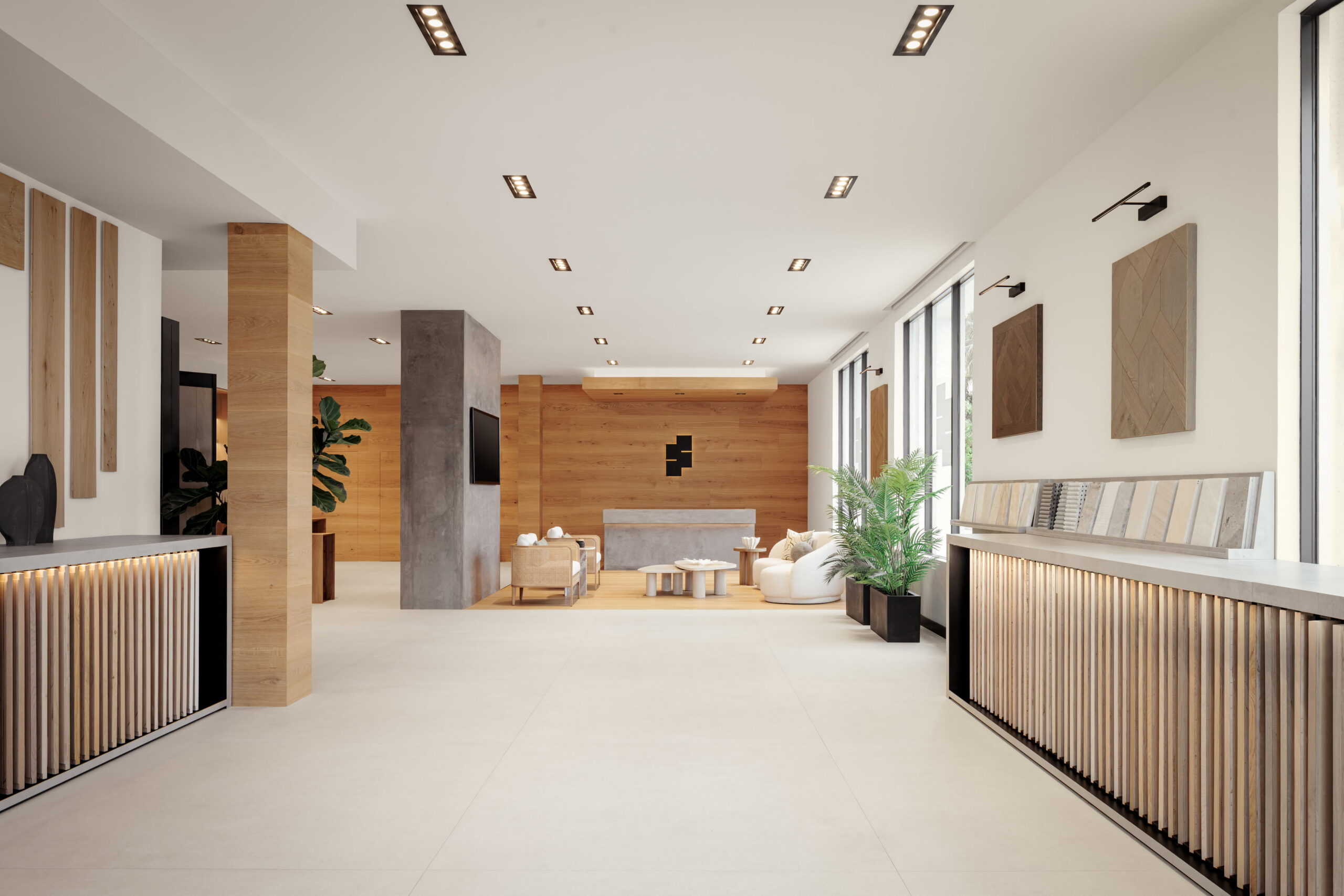
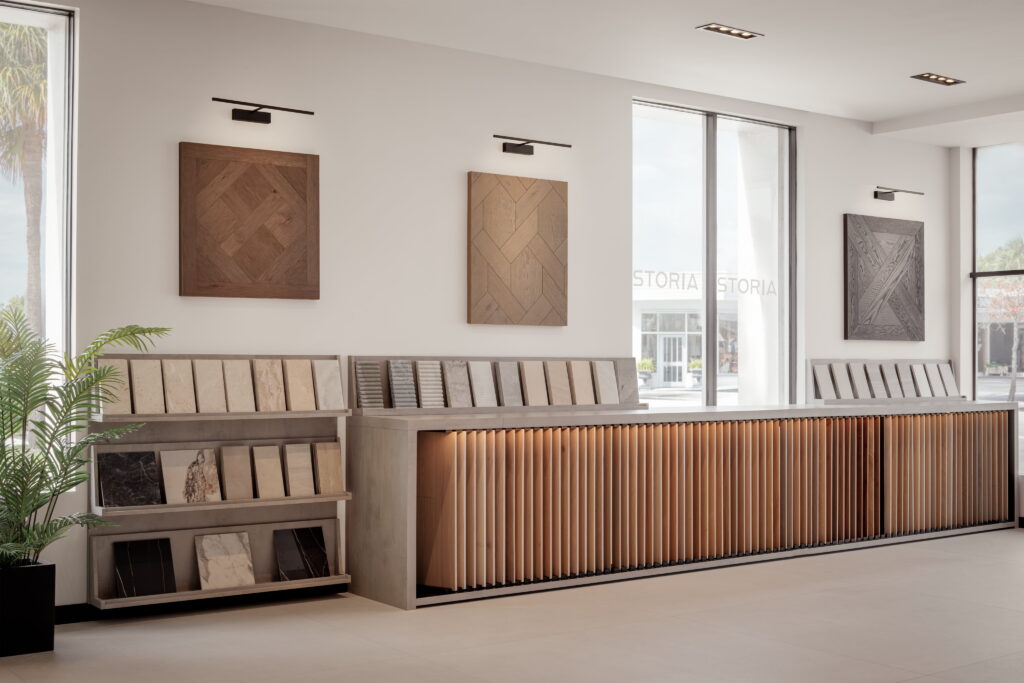
The West Palm Beach showroom, on a corner of Antique Row, was designed to feel like an extension of a home. Natural light fills the space. The flooring runs throughout, so the experience of choosing a material happens in conditions close to how it will actually live. “The visit becomes more than an introduction to Storia,” Estevez says. “It becomes a preview of the warmth and energy our materials can bring into a client’s home.”
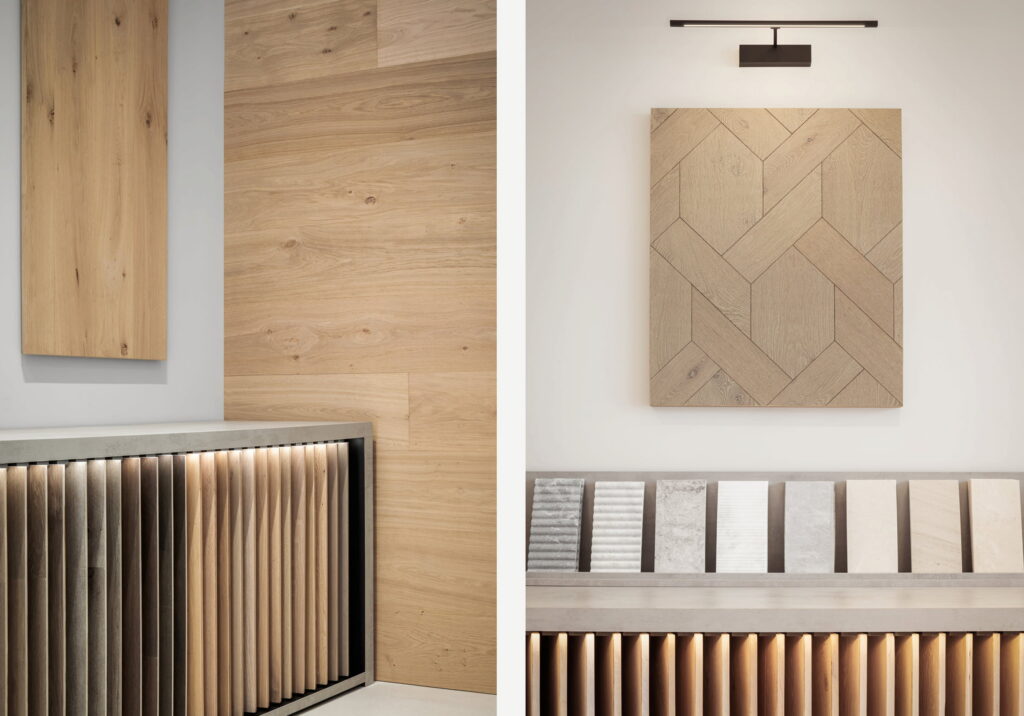
The market it serves has specific demands. Palm Beach attracts clients who have built and lived in many homes before. They arrive with a formed sense of what quality looks like and the perspective to understand why one product is priced the way it is. The aesthetic runs distinct as well, toward warmer tones, traditional palettes, and wood with visible character and knots, where Miami tends toward lighter grades and cleaner surfaces. Estevez read all of that before he arrived. “The market is expanding quickly,” he says, “and there was room for a brand that approaches flooring as a design discipline rather than a commodity. The clientele here is ready for that conversation.”